Camera Based Art
For a number of years now I have been exploring ways to bring light, form, color, and texture together in a body of work outside the landscape genre. Although it is generally not apparent at first encounter, these images start with a camera. Go to this Journal entry for more background.
Collages
These collages are created from details extracted from photographs of surfaces and textures on walls, floors, signs, and roadside objects. Four were shot roaming through Copenhagen, Siena, and Stockholm.
Six were built from architectural details in the Boston area. Others emerged from fresh looks at everyday objects close to home. In all of them, the three graphic elements are the same in terms of size and placement.
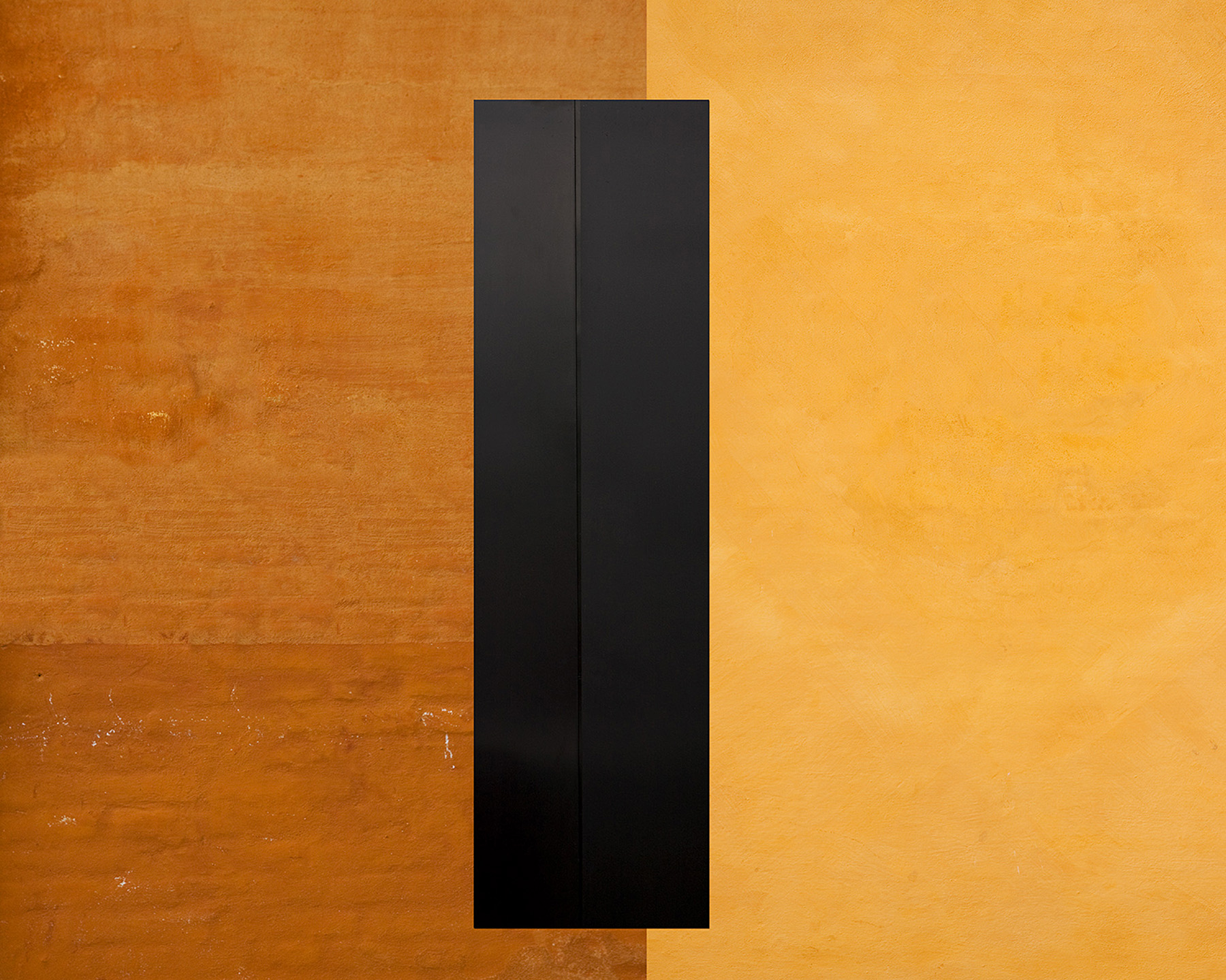
Copenhagen
Archival Pigment on Hahnemuhle Museum Etching Paper
20" x 24" print size, 25" x 29" framed
Archival Pigment on Hahnemuhle Museum Etching Paper
20" x 24" print size, 25" x 29" framed
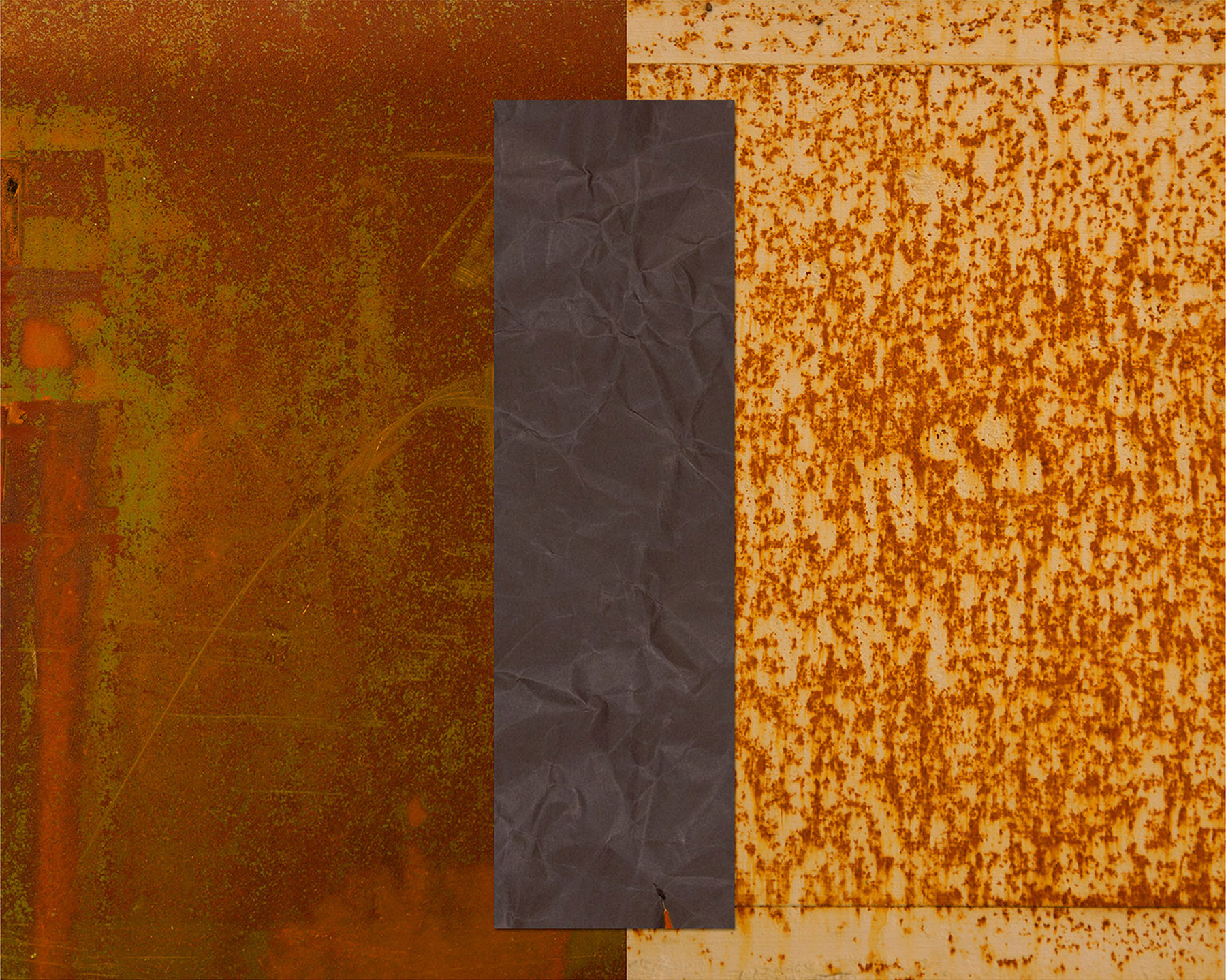
Rust and Paper
Archival Pigment on Hahnemuhle Museum Etching Paper
20" x 24" print size, 25" x 29" framed
Archival Pigment on Hahnemuhle Museum Etching Paper
20" x 24" print size, 25" x 29" framed
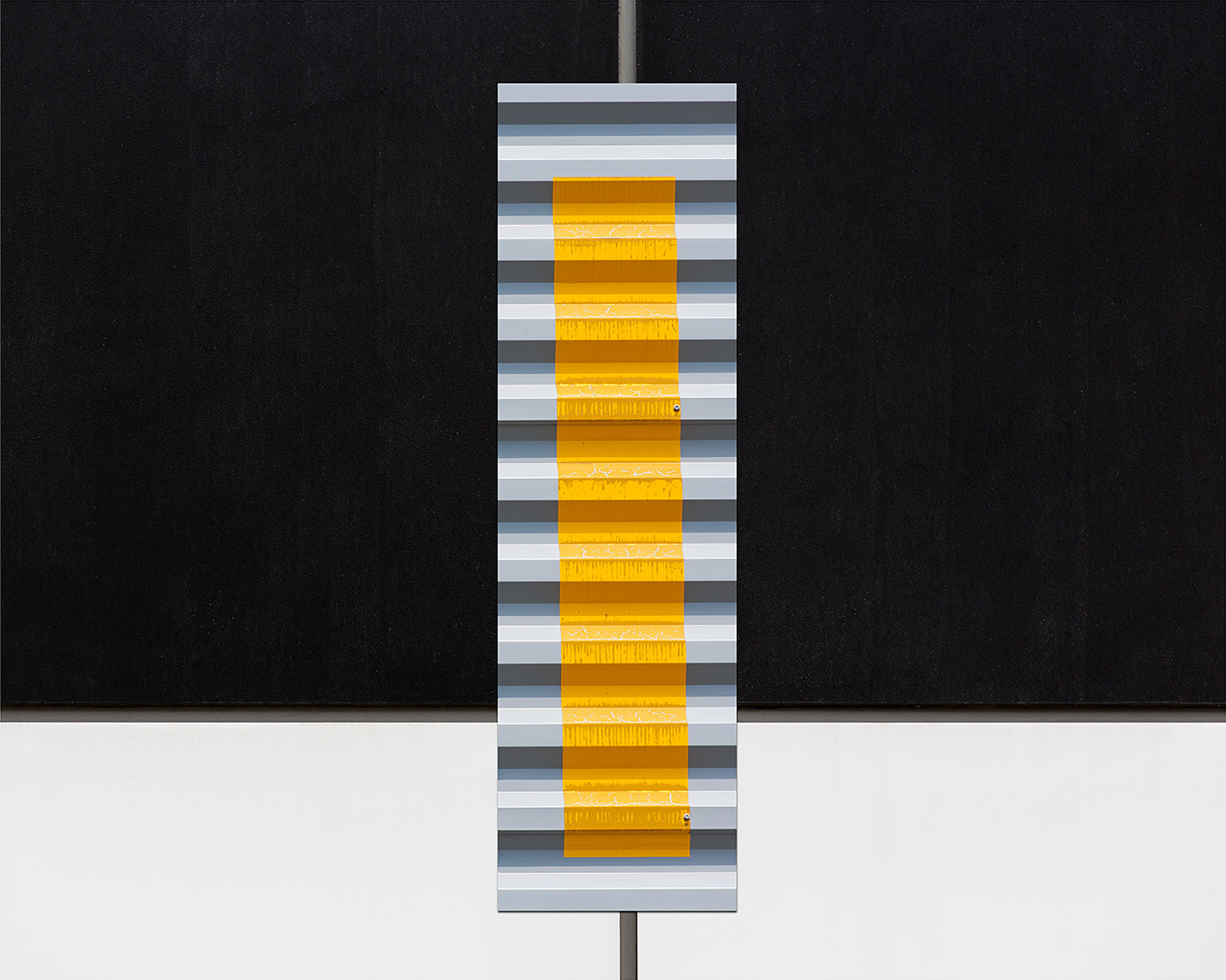
Boston Geometric
Archival Pigment on Hahnemuhle Museum Etching Paper
20" x 24" print size, 25" x 29" framed
Archival Pigment on Hahnemuhle Museum Etching Paper
20" x 24" print size, 25" x 29" framed
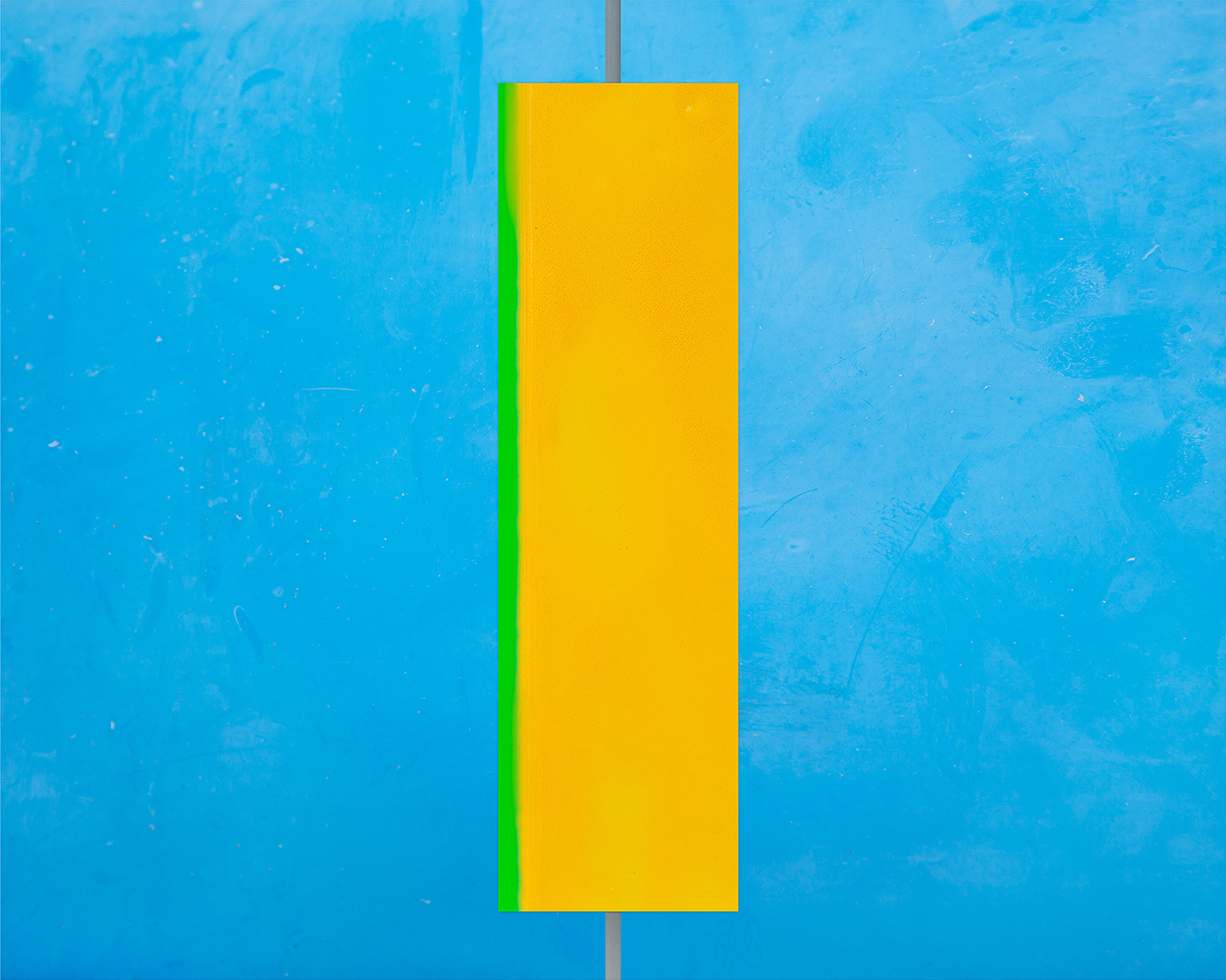
Yellow, Green, Blue
Archival Pigment on Hahnemuhle Museum Etching Paper
20" x 24" print size, 25" x 29" framed
Archival Pigment on Hahnemuhle Museum Etching Paper
20" x 24" print size, 25" x 29" framed

Siena
Archival Pigment on Hahnemuhle Museum Etching Paper
20" x 24" print size, 25" x 29" framed
Archival Pigment on Hahnemuhle Museum Etching Paper
20" x 24" print size, 25" x 29" framed

Cathedral, Siena
Archival Pigment on Hahnemuhle Museum Etching Paper
20" x 24" print size, 25" x 29" framed
Archival Pigment on Hahnemuhle Museum Etching Paper
20" x 24" print size, 25" x 29" framed
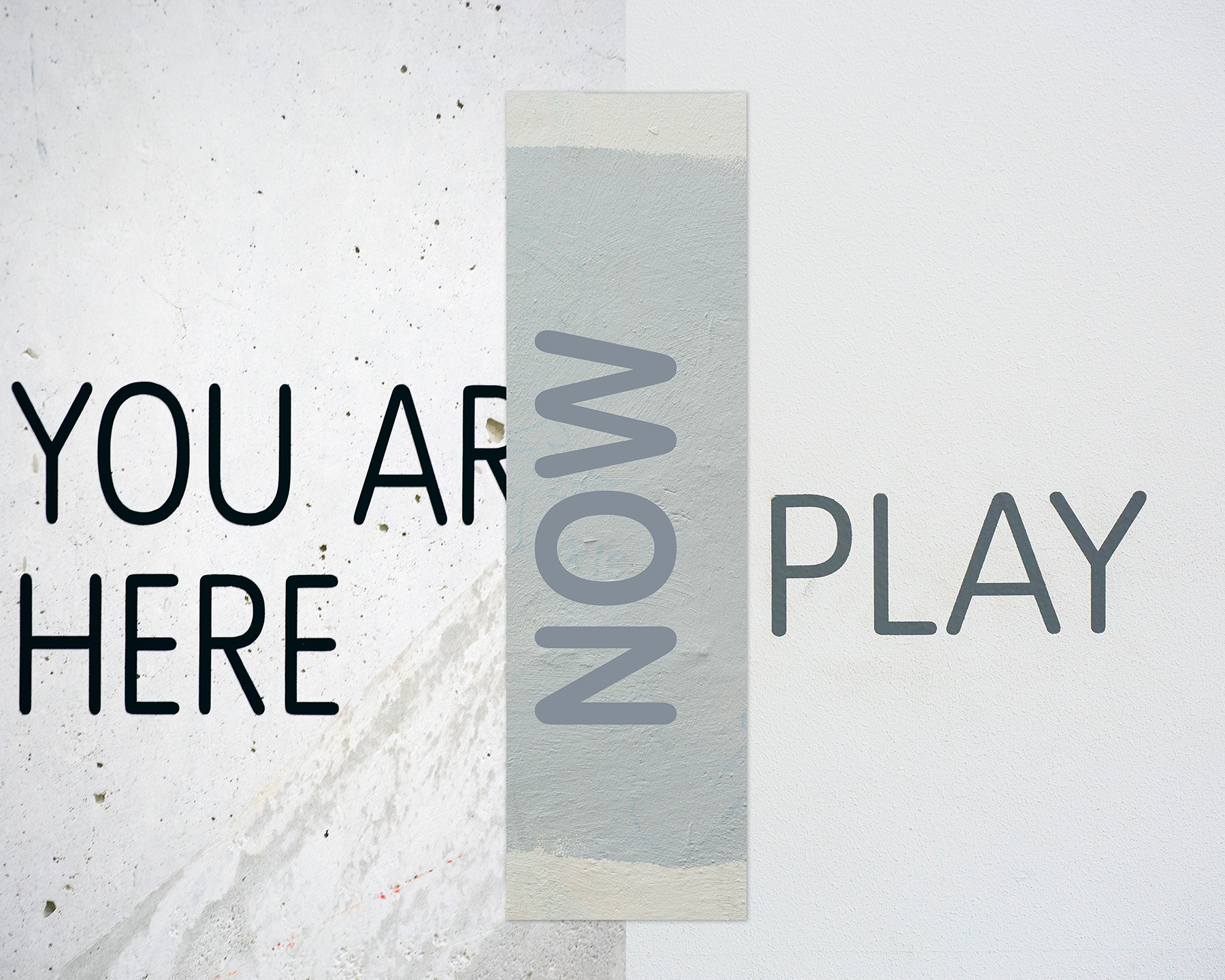
Now Play
Archival Pigment on Hahnemuhle Museum Etching Paper
20" x 24" print size, 25" x 29" framed
Archival Pigment on Hahnemuhle Museum Etching Paper
20" x 24" print size, 25" x 29" framed
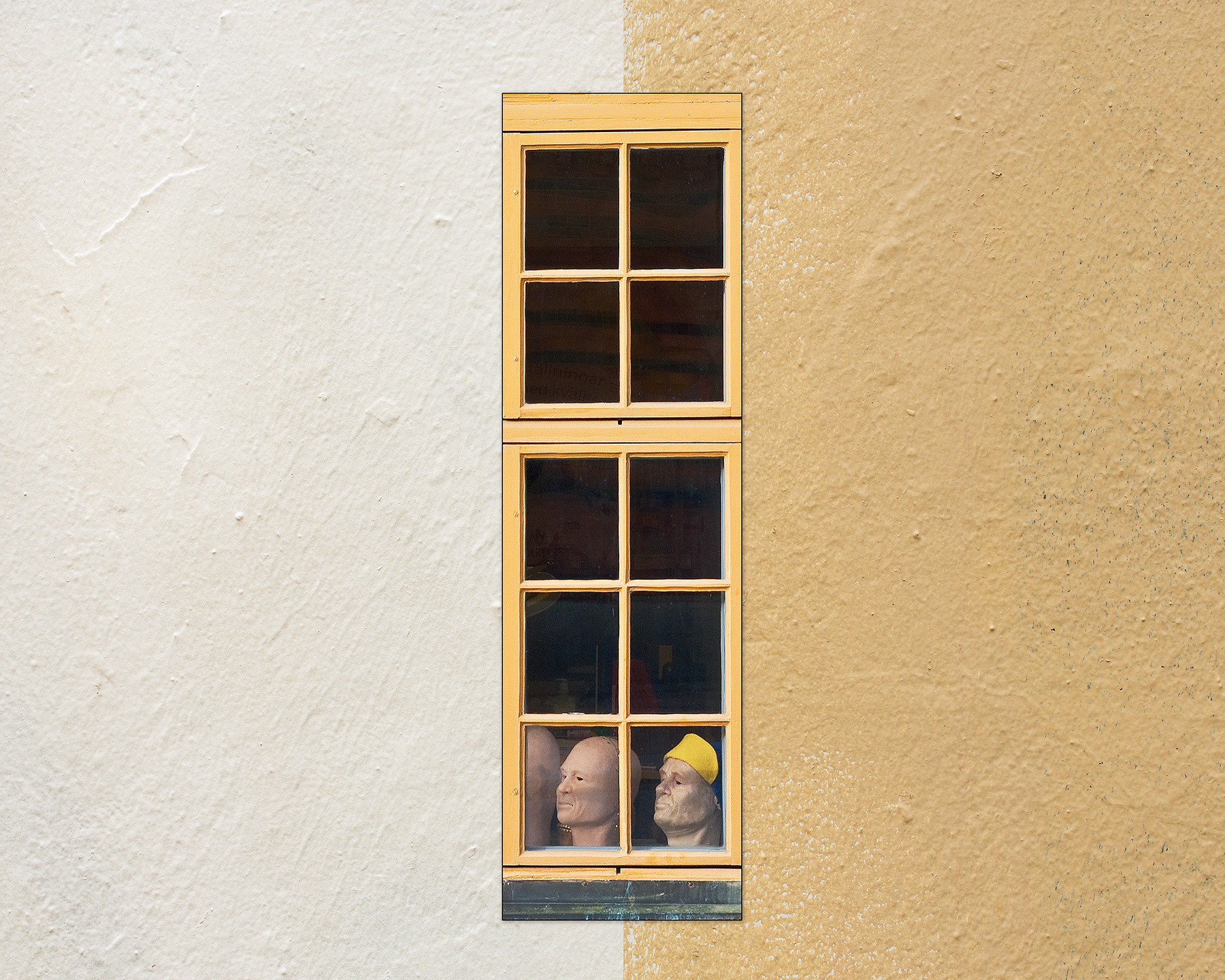
Lost Heads
Archival Pigment on Hahnemuhle Museum Etching Paper
20" x 24" print size, 25" x 29" framed
Archival Pigment on Hahnemuhle Museum Etching Paper
20" x 24" print size, 25" x 29" framed
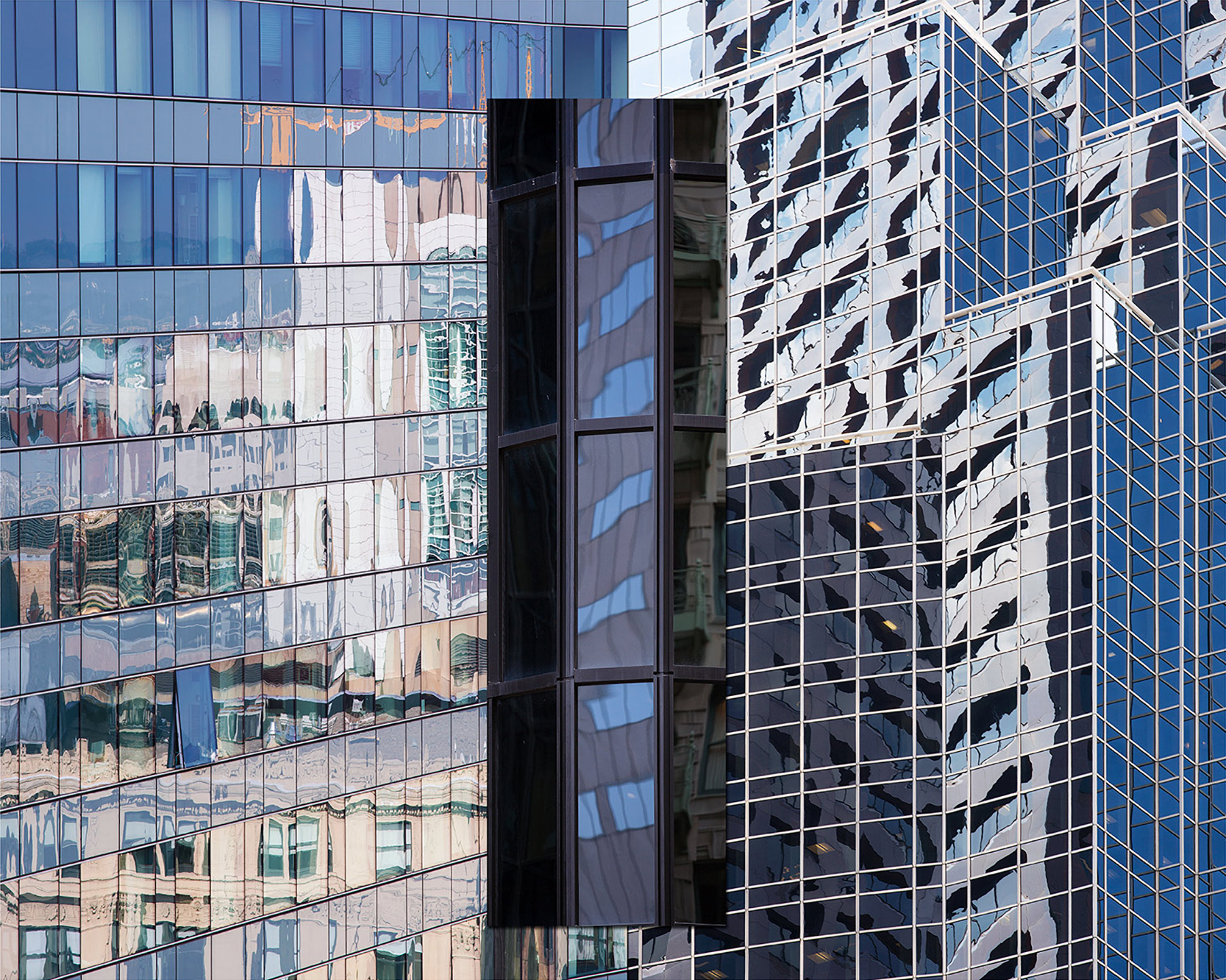
Boston Reflected, Blue
Archival Pigment on Hahnemuhle Museum Etching Paper
20" x 24" print size, 25" x 29" framed
Archival Pigment on Hahnemuhle Museum Etching Paper
20" x 24" print size, 25" x 29" framed
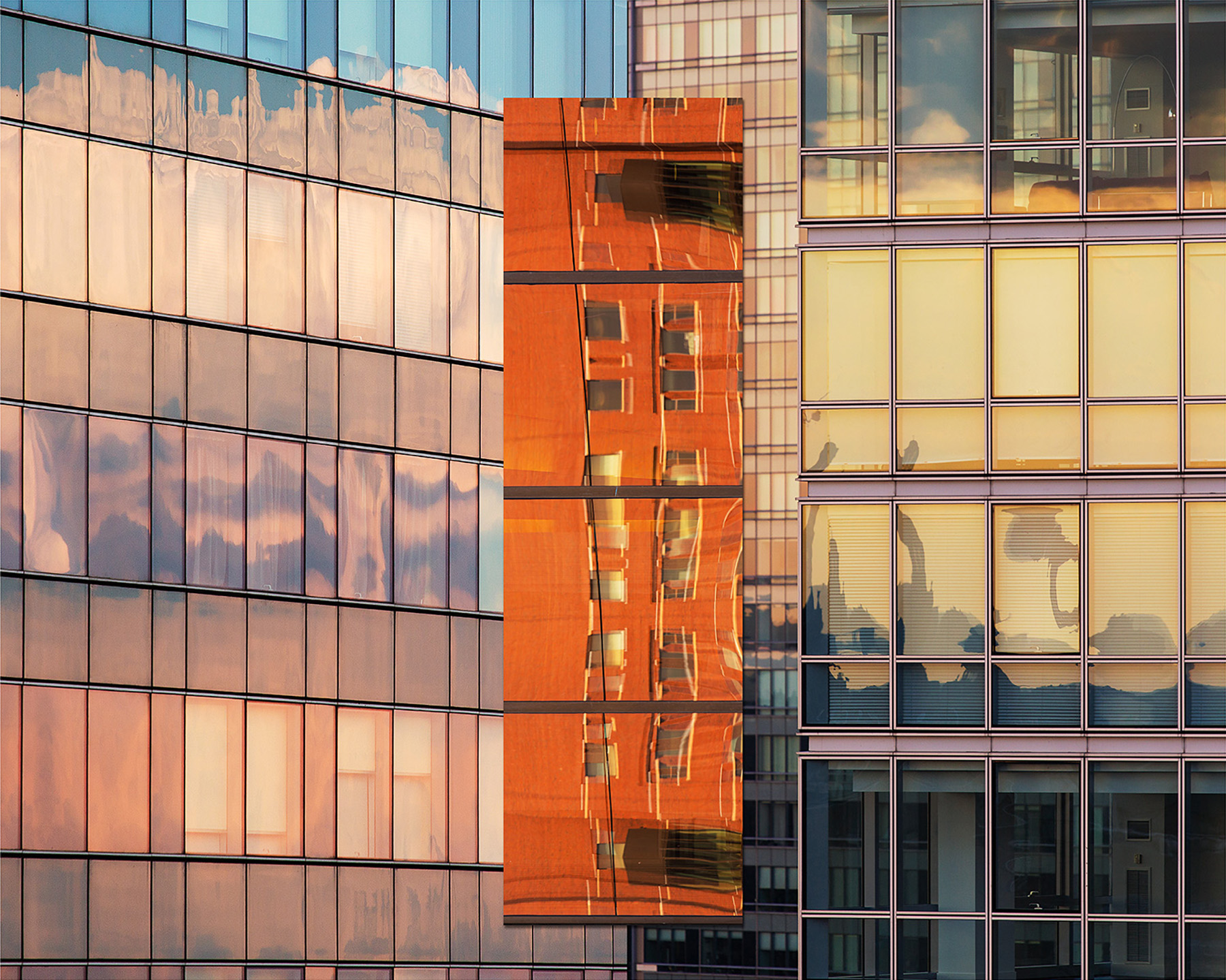
Boston Reflected, Dusk
Archival Pigment on Hahnemuhle Museum Etching Paper
20" x 24" print size, 25" x 29" framed
Archival Pigment on Hahnemuhle Museum Etching Paper
20" x 24" print size, 25" x 29" framed
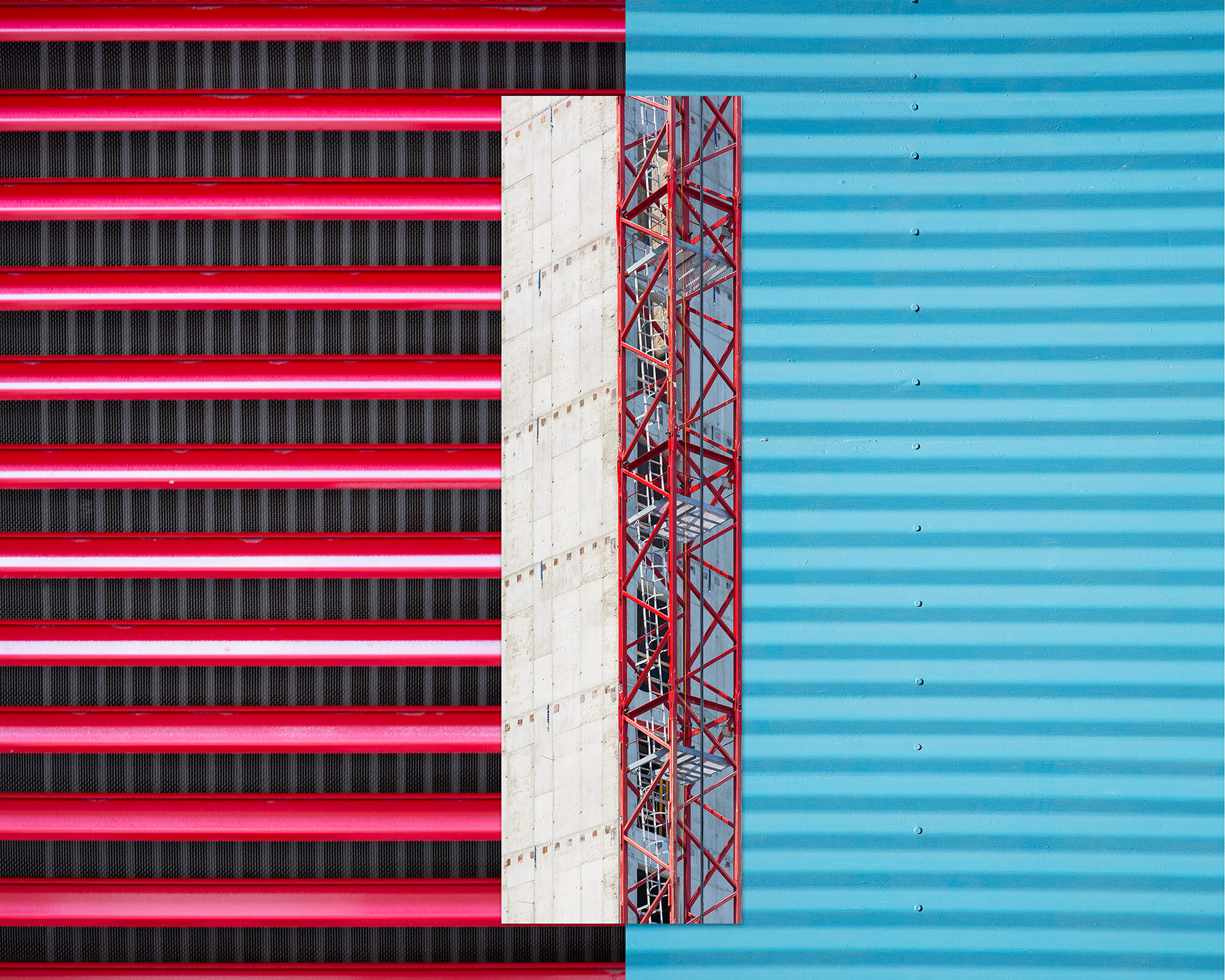
Horizontal, Vertical
Archival Pigment on Hahnemuhle Museum Etching Paper
20" x 24" print size, 25" x 29" framed
Archival Pigment on Hahnemuhle Museum Etching Paper
20" x 24" print size, 25" x 29" framed
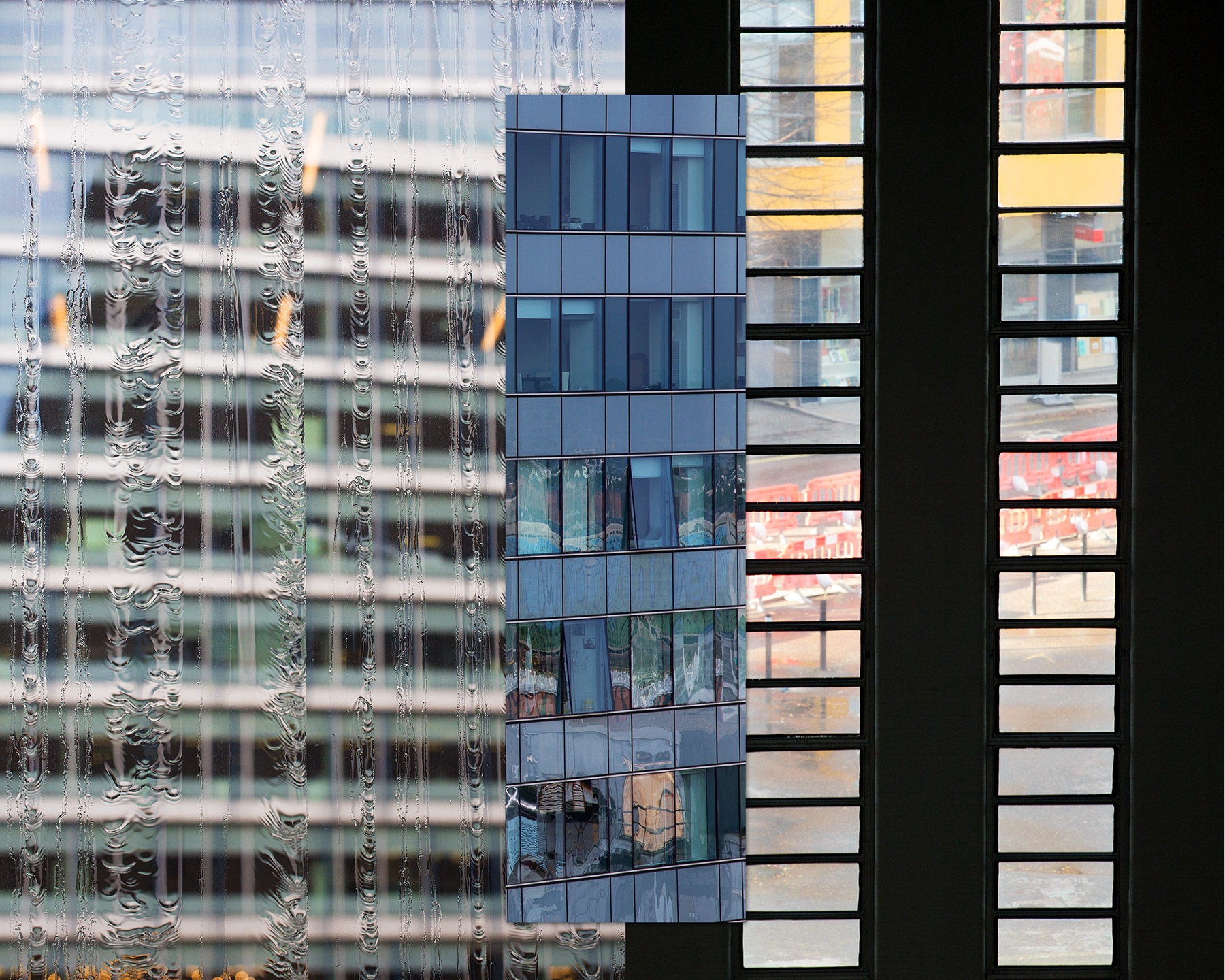
Looking Out, Looking In
Archival Pigment on Hahnemuhle Museum Etching Paper
20" x 24" print size, 25" x 29" framed
Archival Pigment on Hahnemuhle Museum Etching Paper
20" x 24" print size, 25" x 29" framed
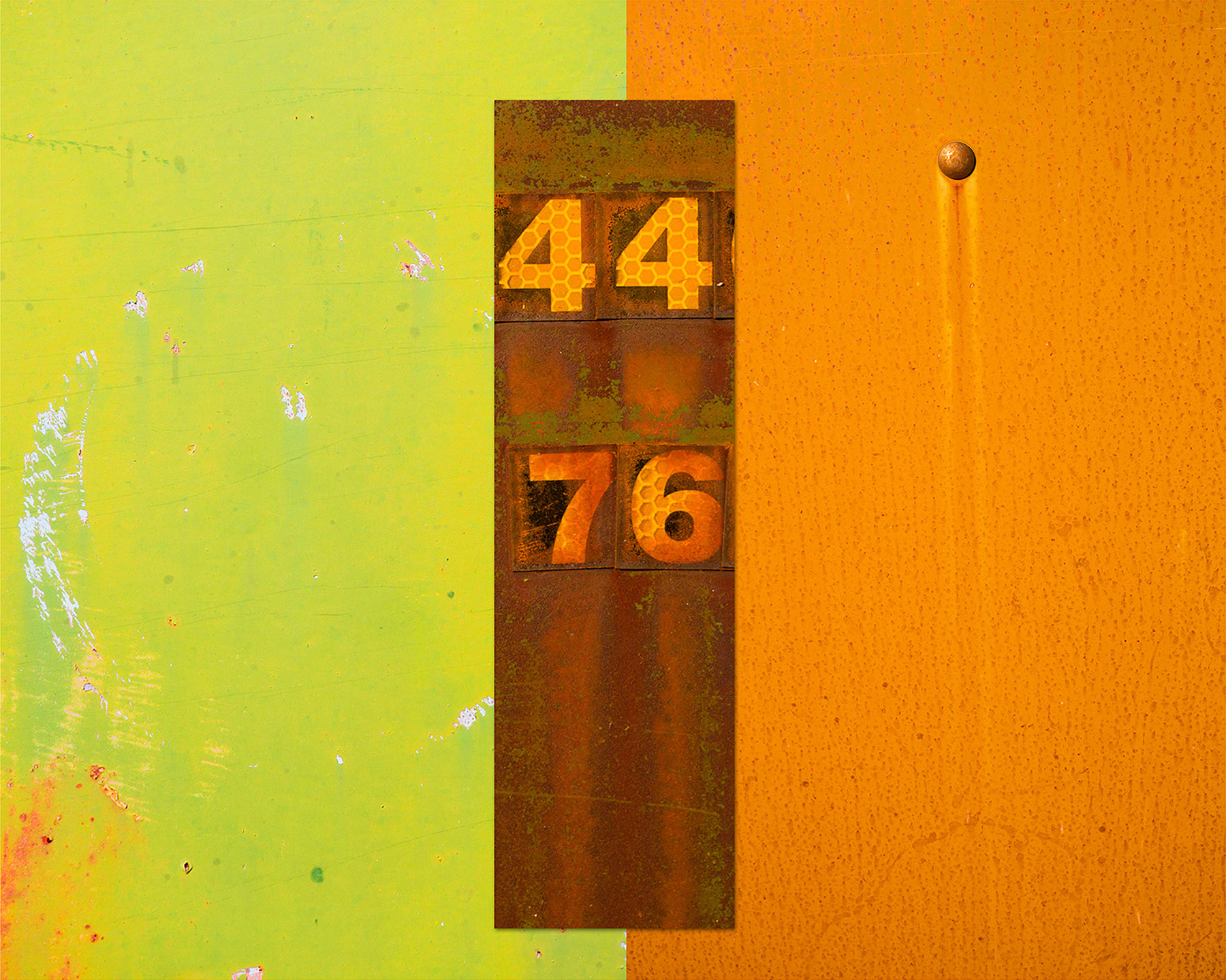
Forty-four, Seventy-six
Archival Pigment on Hahnemuhle Museum Etching Paper
20" x 24" print size, 25" x 29" framed
Archival Pigment on Hahnemuhle Museum Etching Paper
20" x 24" print size, 25" x 29" framed
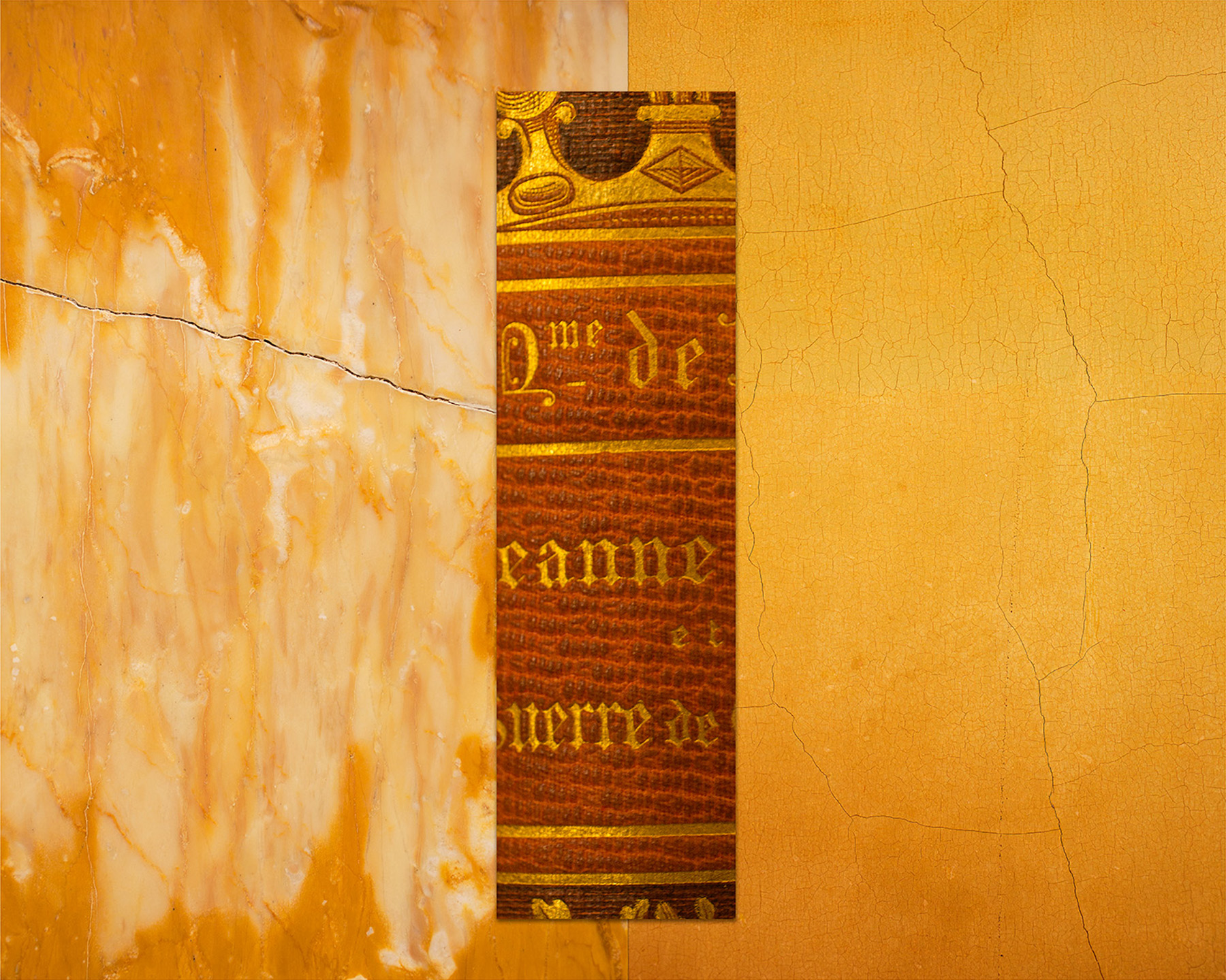
Boston Public Library
Archival Pigment on Hahnemuhle Museum Etching Paper
20" x 24" print size, 25" x 29" framed
Archival Pigment on Hahnemuhle Museum Etching Paper
20" x 24" print size, 25" x 29" framed
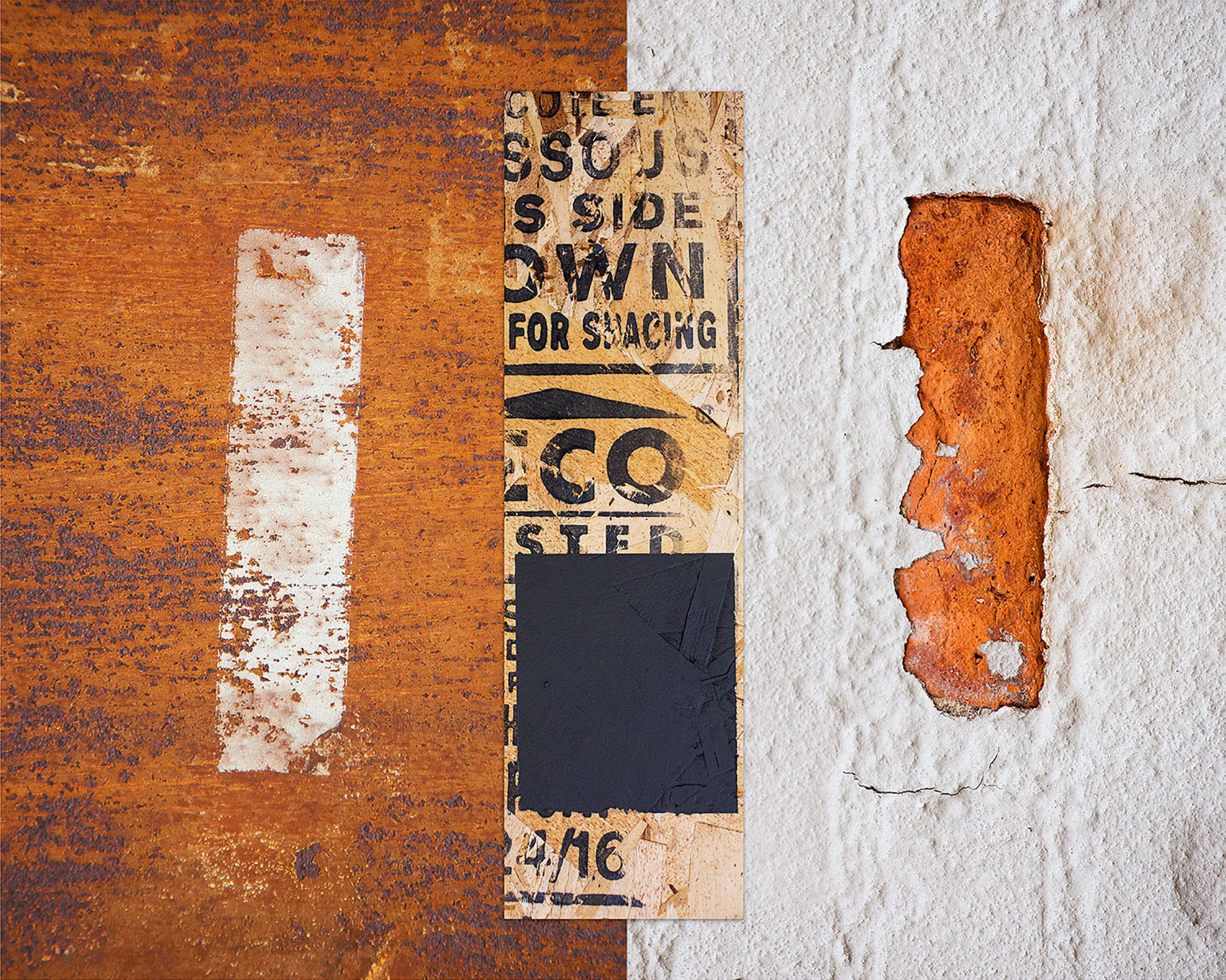
Rectangle Textures, Cambridge, Mass
Archival Pigment on Hahnemuhle Museum Etching Paper
20" x 24" print size, 25" x 29" framed
Archival Pigment on Hahnemuhle Museum Etching Paper
20" x 24" print size, 25" x 29" framed
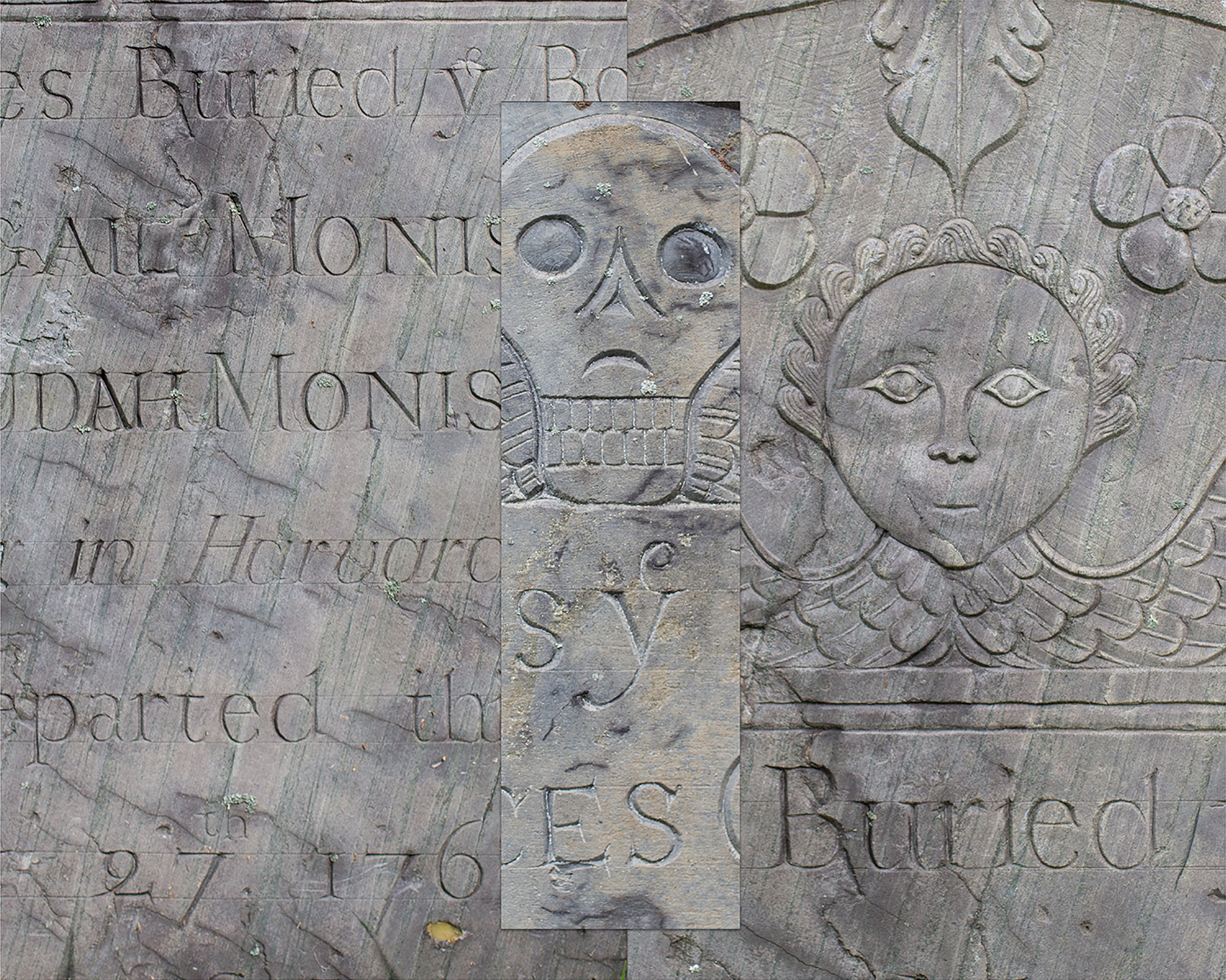
Death and Transcendence, Boston
Archival Pigment on Hahnemuhle Museum Etching Paper
20" x 24" print size, 25" x 29" framed
Archival Pigment on Hahnemuhle Museum Etching Paper
20" x 24" print size, 25" x 29" framed
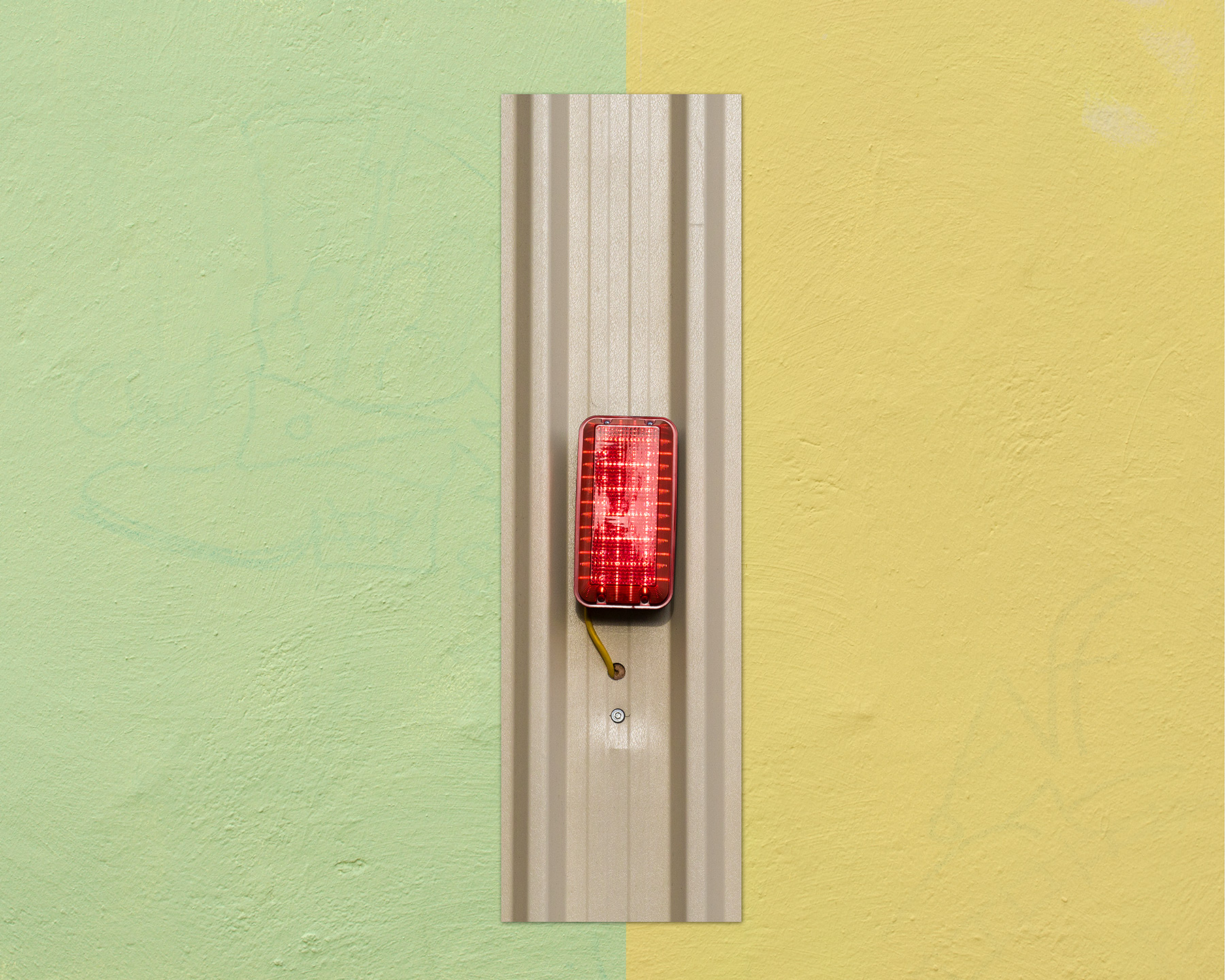
Red Light
Archival Pigment on Hahnemuhle Museum Etching Paper
20" x 24" print size, 25" x 29" framed
Archival Pigment on Hahnemuhle Museum Etching Paper
20" x 24" print size, 25" x 29" framed
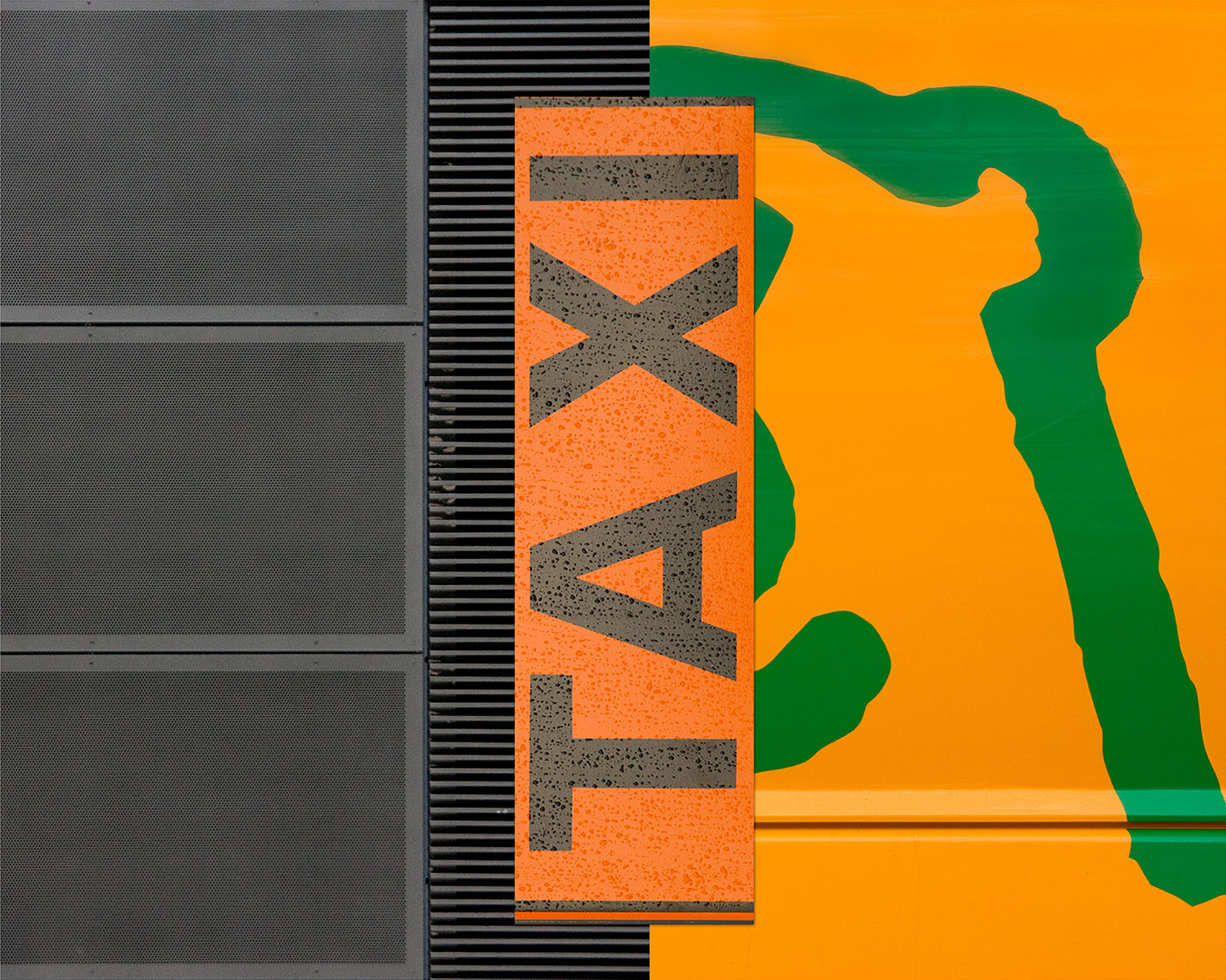
Stockholm
Archival Pigment on Hahnemuhle Museum Etching Paper
20" x 24" print size, 25" x 29" framed
Archival Pigment on Hahnemuhle Museum Etching Paper
20" x 24" print size, 25" x 29" framed
Threadscape Series
I created the pieces in this series by building table top constructions consisting of closely spaced curtains of colored thread hanging from thin bars at the top. This is standard sewing thread. In THREADSCAPE #1 there are three curtains going back away from the viewer. In THREADSCAPE #2 there are five.
I then lit the constructions and shot them on 4×5 film against a gray background. I printed the images rotated 90 degrees from their original orientation because I liked the sense of wavelike motion that resulted from running the threads horizontally. The lefthand thumbnail of each pair yields a view of the full composition. The thumbnail on the right blows up a section of each piece to give a sense of the finely detailed texture on the relatively low resolution computer screen.

Threadscape #2
Archival Pigment on Hahnemuhle Museum Etching Paper
30" x 40" print size, 35" x 45" framed
Archival Pigment on Hahnemuhle Museum Etching Paper
30" x 40" print size, 35" x 45" framed

Threadscape #2 DETAIL
Archival Pigment on Hahnemuhle Museum Etching Paper
30" x 40" print size, 35" x 45" framed
Archival Pigment on Hahnemuhle Museum Etching Paper
30" x 40" print size, 35" x 45" framed
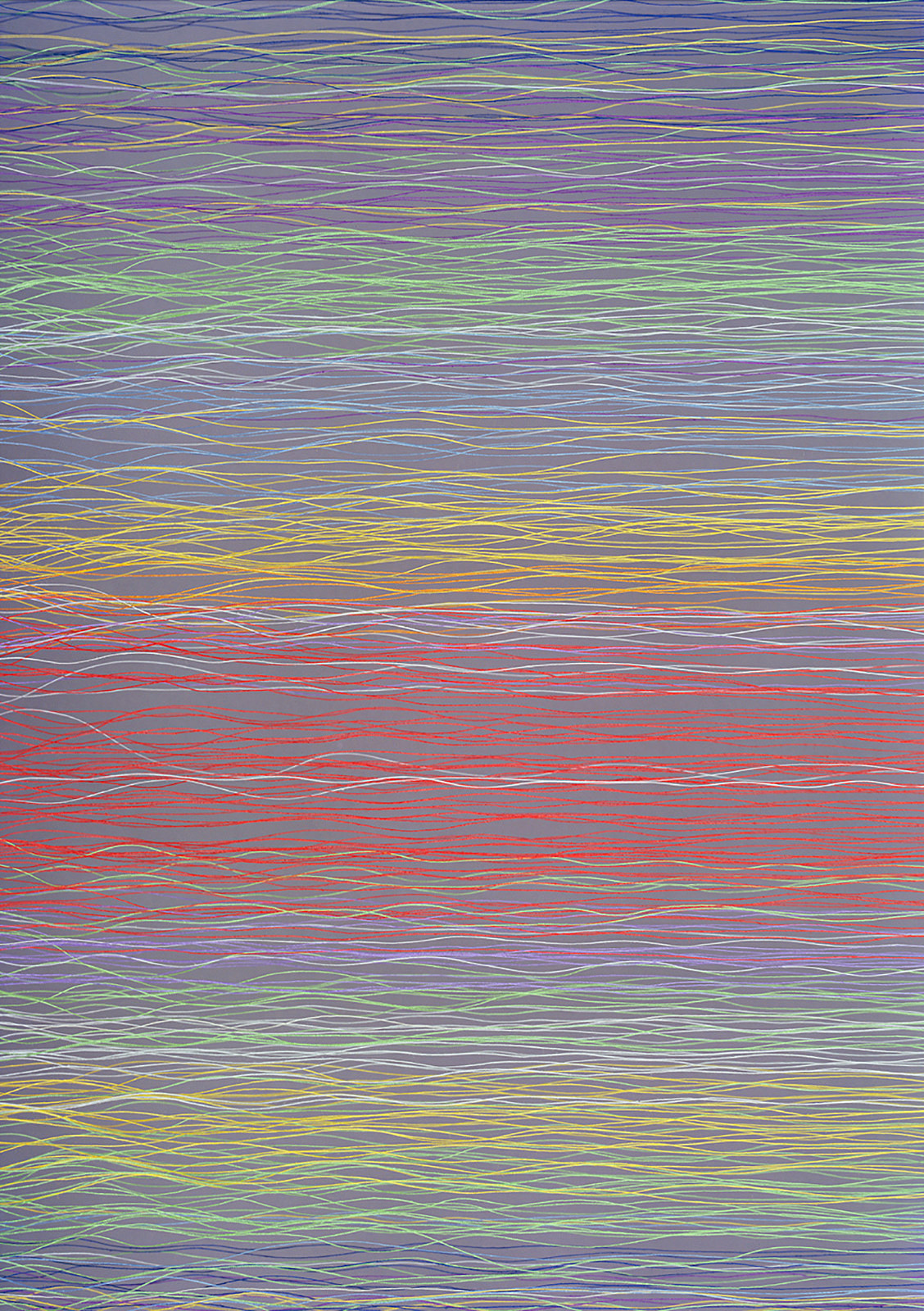
Threadscape #1
Archival Pigment on Hahnemuhle Museum Etching Paper
30" x 40" print size, 35" x 45" framed
Archival Pigment on Hahnemuhle Museum Etching Paper
30" x 40" print size, 35" x 45" framed
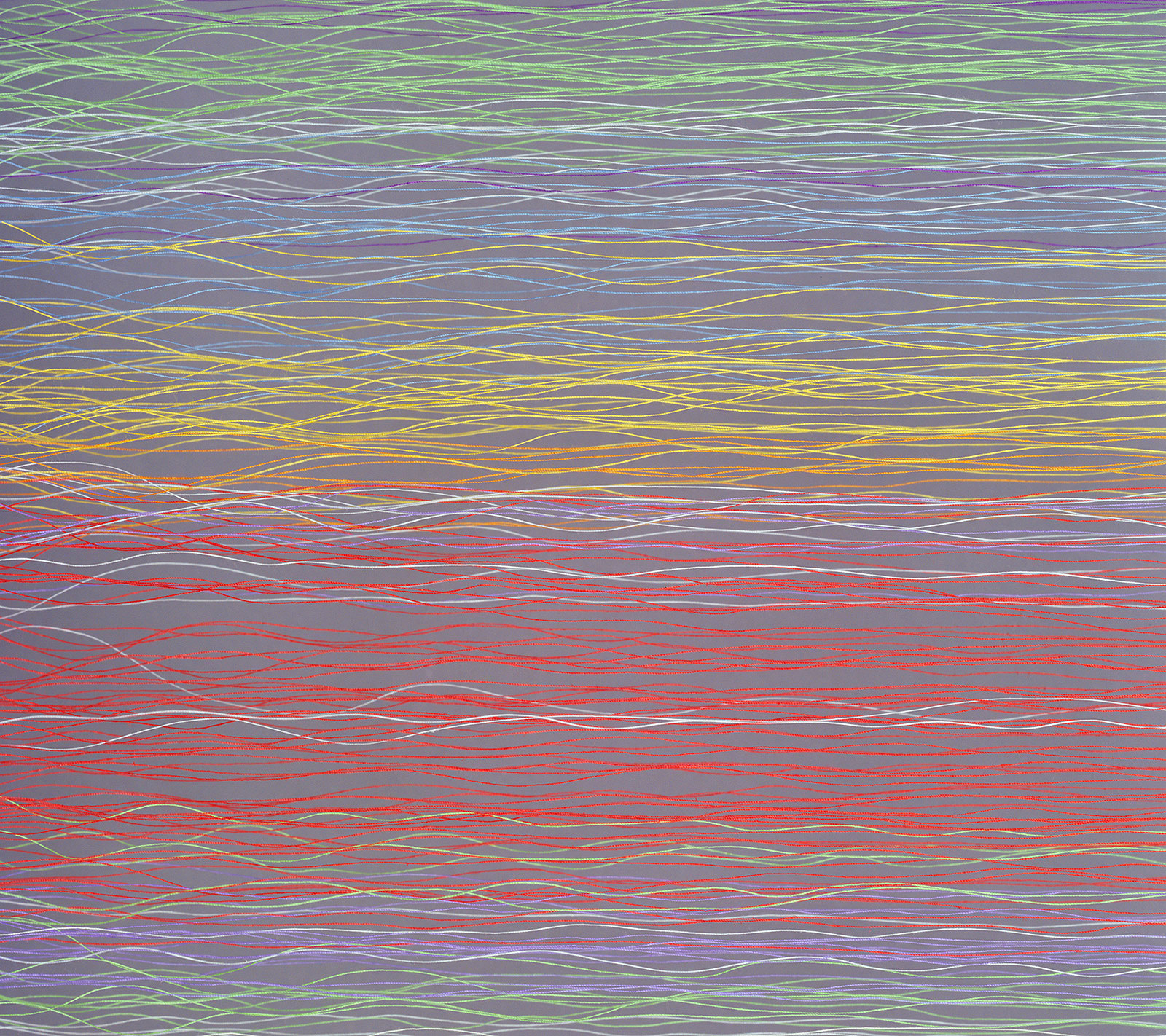
Threadscape #1 DETAIL
Archival Pigment on Hahnemuhle Museum Etching Paper
30" x 40" print size, 35" x 45" framed
Archival Pigment on Hahnemuhle Museum Etching Paper
30" x 40" print size, 35" x 45" framed
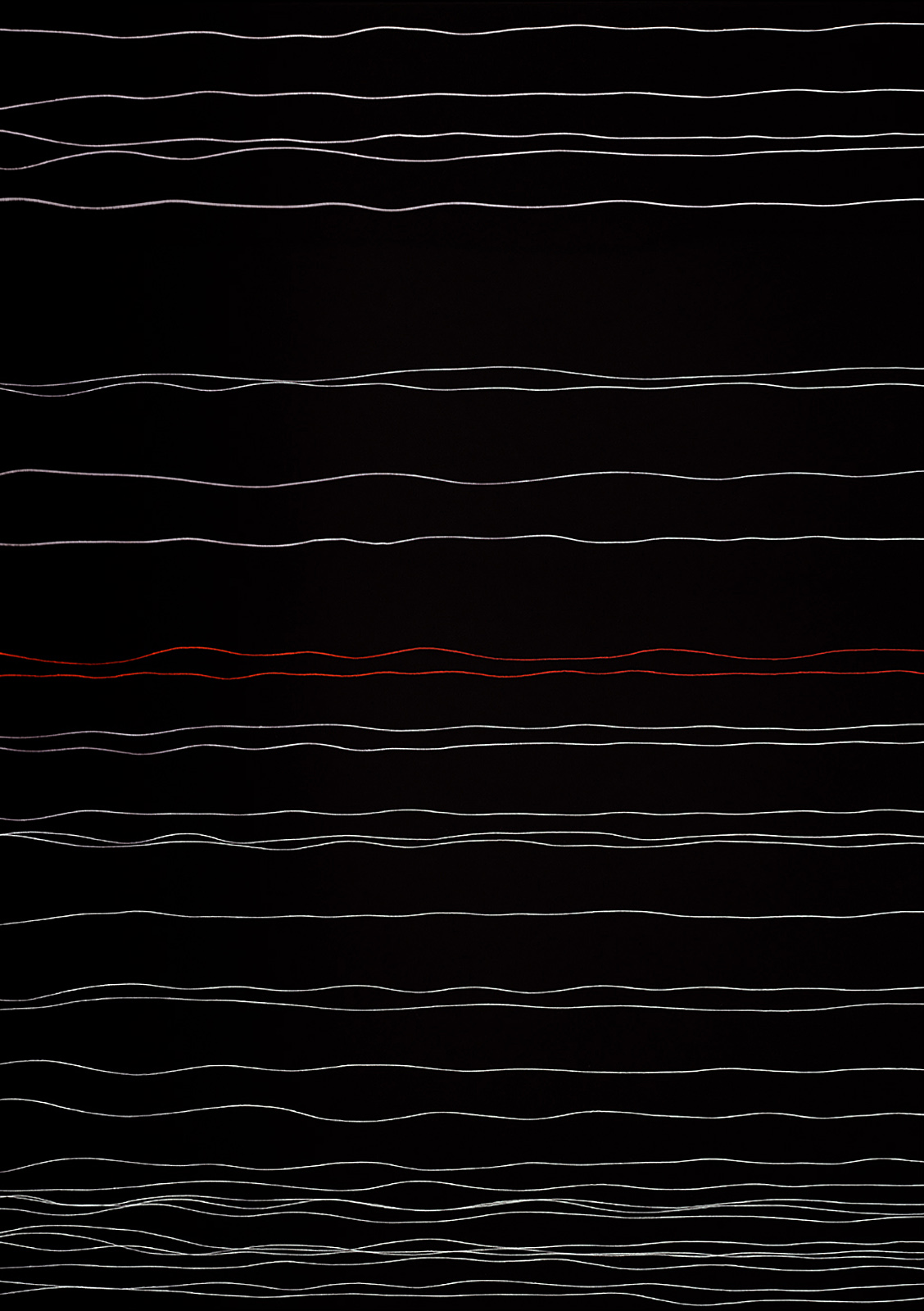
Threadscape: Black, White, Red
Archival Pigment on Hahnemuhle Museum Etching Paper
30" x 40" print size, 35" x 45" framed
Archival Pigment on Hahnemuhle Museum Etching Paper
30" x 40" print size, 35" x 45" framed
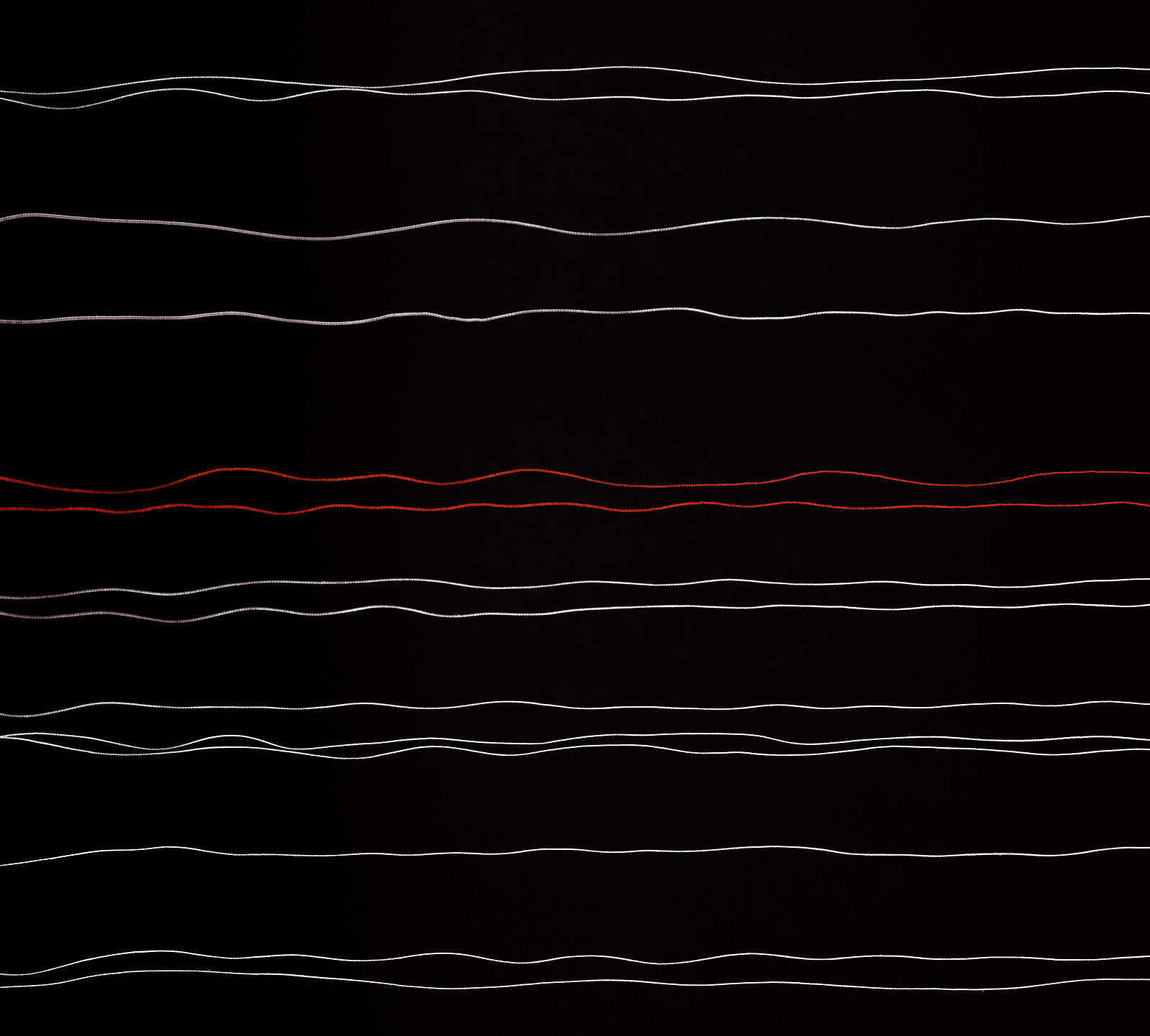
Threadscape: Black, White, Red DETAIL
Archival Pigment on Hahnemuhle Museum Etching Paper
30" x 40" print size, 35" x 45" framed
Archival Pigment on Hahnemuhle Museum Etching Paper
30" x 40" print size, 35" x 45" framed
Doorways Series
I made the pieces in this series by first building a table top construction of white board. In the first three layers going back away from the viewer I cut portals patterned loosely after a set of concentric doorways in an Anasazi ruin. The fourth layer in the background is solid.
I then lit the construction using a number of colored light sources to explore the various color “chords” you see in the different versions. I was also interested in the sense of going back into the inner space that is created by soft shadows in certain pieces. One in the series lacks shadows and appears flat. The individual panels in the composite study may be purchased and framed separately.
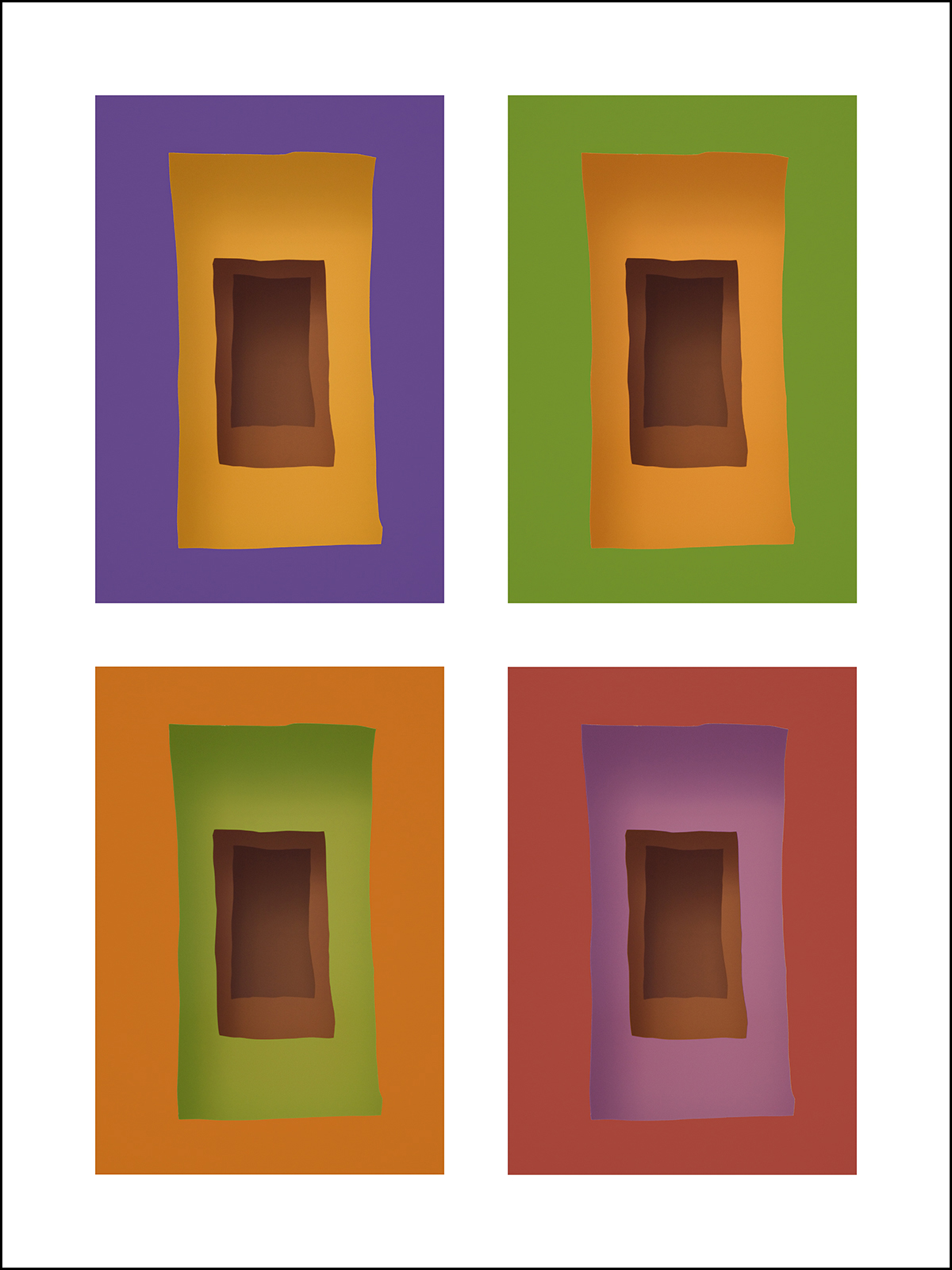
Four Ways of Looking at Three Doorways
Archival Pigment on Hahnemuhle Museum Etching Paper
30" x 40" print size, 35" x 45" framed
Archival Pigment on Hahnemuhle Museum Etching Paper
30" x 40" print size, 35" x 45" framed
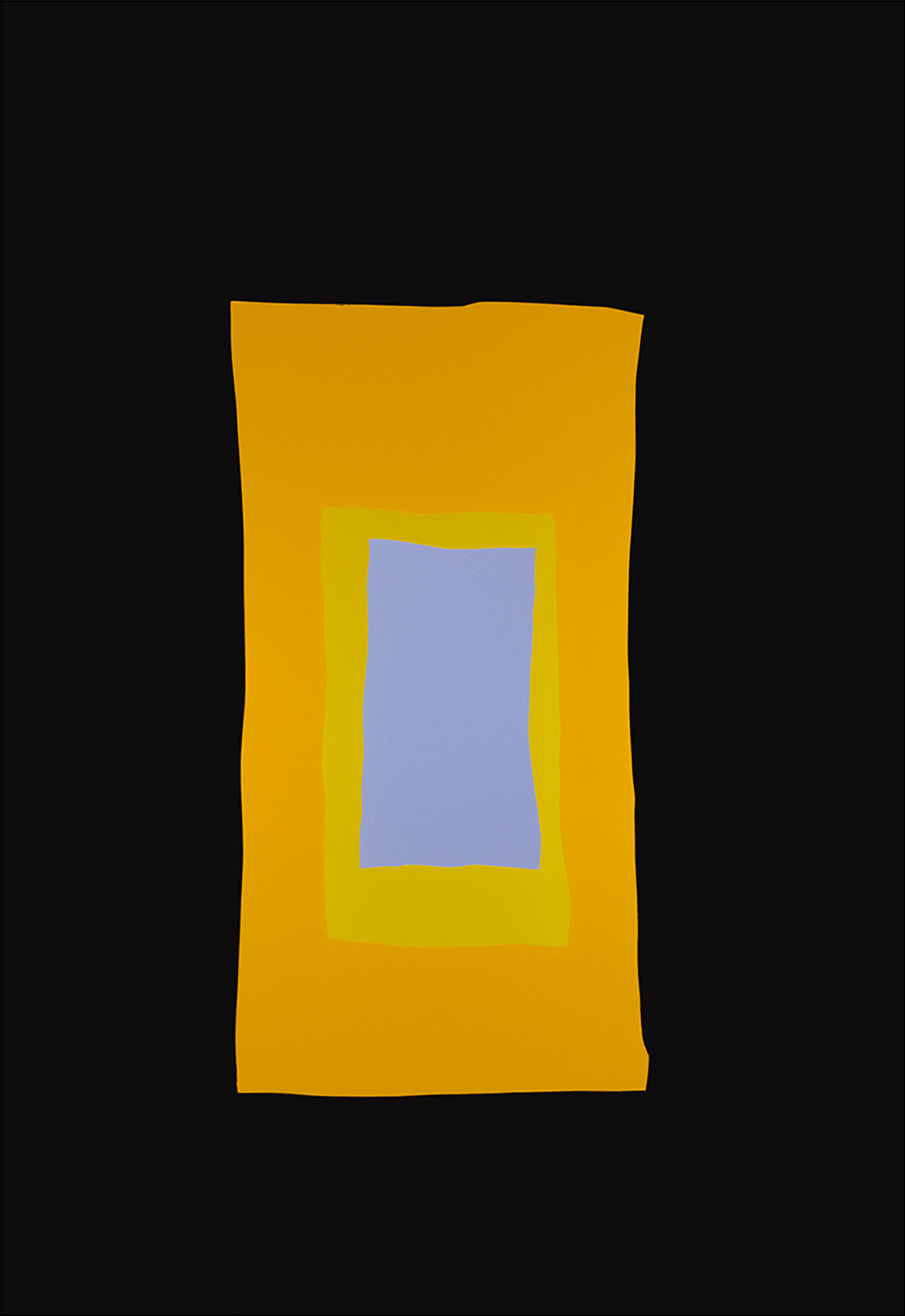
Three Doorways: Black, Yellow, Blue
Archival Pigment on Hahnemuhle Museum Etching Paper
15" x 20" print size, 20" x 25" framed
Archival Pigment on Hahnemuhle Museum Etching Paper
15" x 20" print size, 20" x 25" framed
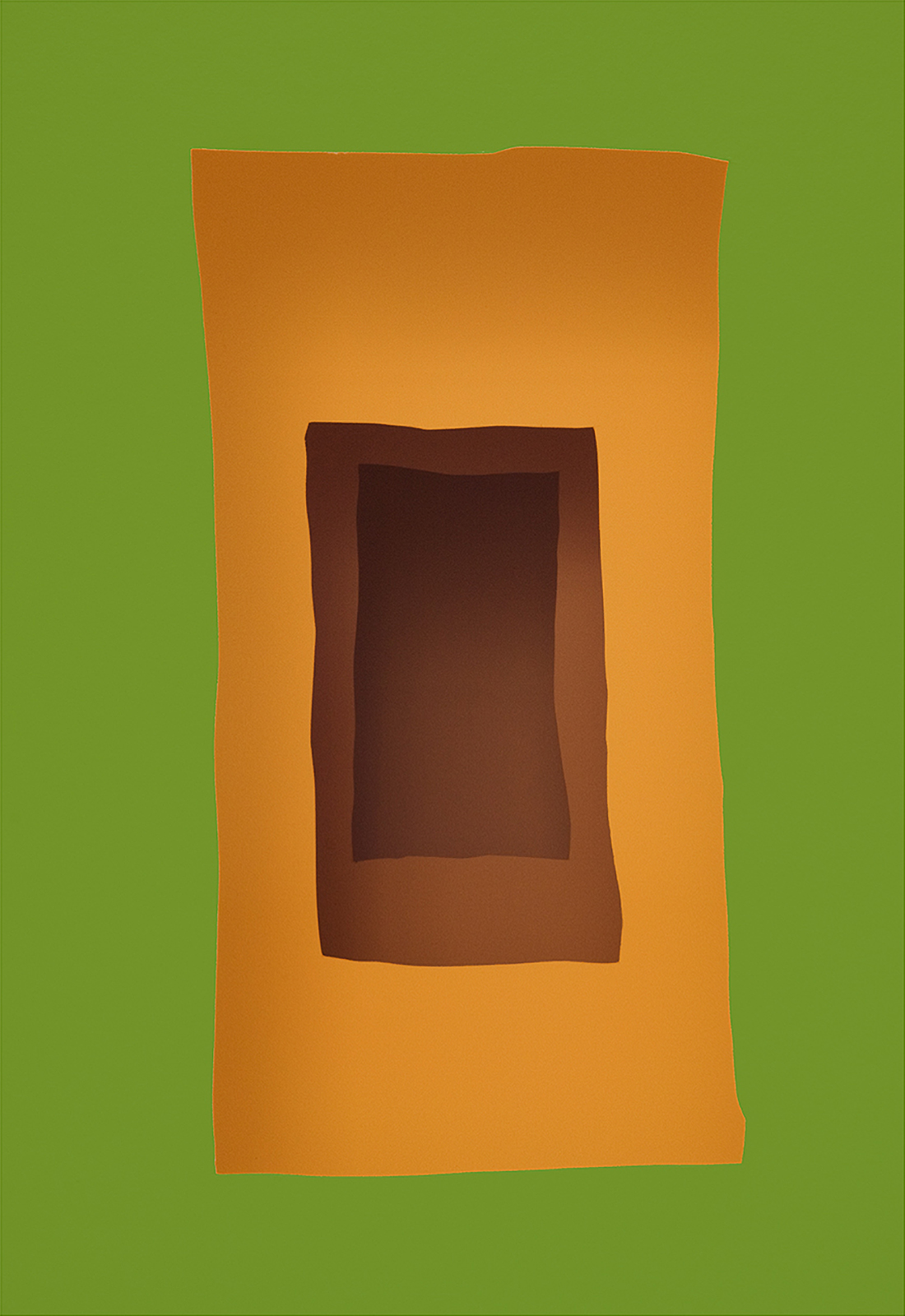
Three Doorways: Green over Orange
Archival Pigment on Hahnemuhle Museum Etching Paper
15" x 20" print size, 20" x 25" framed
Archival Pigment on Hahnemuhle Museum Etching Paper
15" x 20" print size, 20" x 25" framed
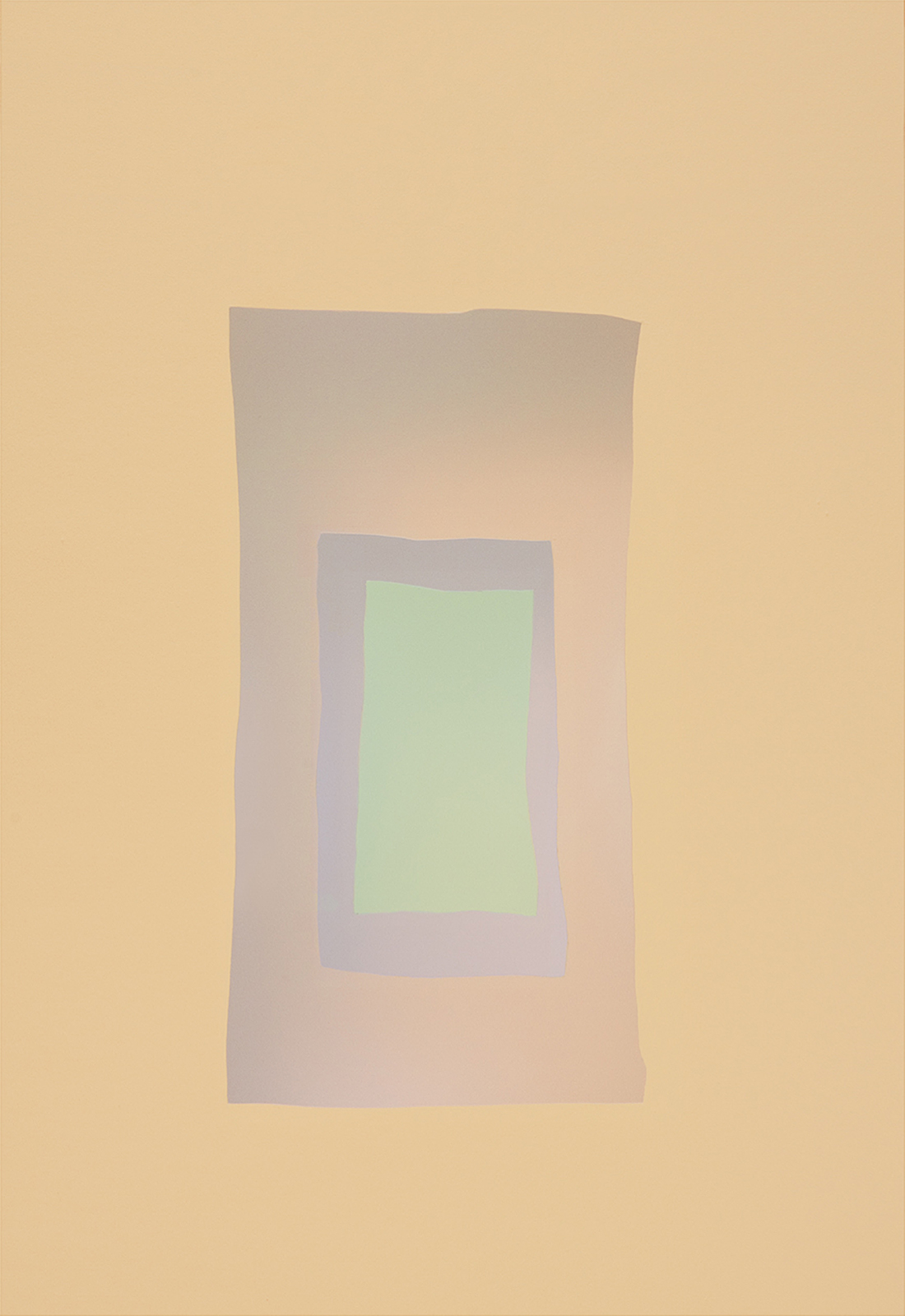
Three Doorways: Muted
Archival Pigment on Hahnemuhle Museum Etching Paper
15" x 20" print size, 20" x 25" framed
Archival Pigment on Hahnemuhle Museum Etching Paper
15" x 20" print size, 20" x 25" framed
Light Painting Series
The central “calligraphy” in this series was created by moving a camera in front of a point source of light. I interjected my fingers between the light and the camera at intervals to break up the pattern. The color of the central figure in each pair is constant.
However, the perception of that color changes dramatically as it contrasts with the two distinct background colors. The large six panel piece on the left is the primary work in this series. However, the three smaller pairs may be purchased and framed separately.
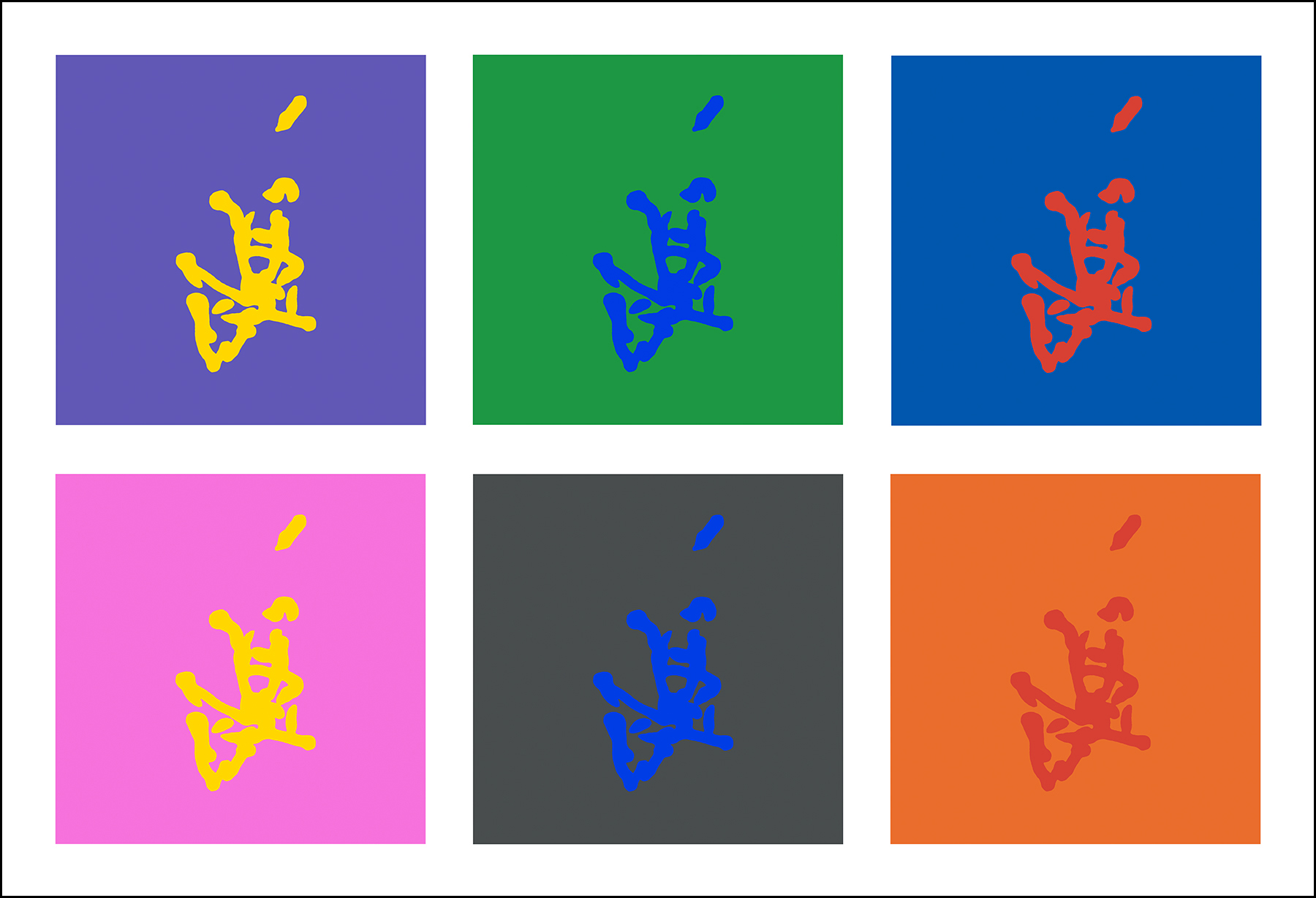
Light Painting: Color Study
Archival Pigment on Hahnemuhle Museum Etching Paper
27" x 40" print size, 35" x 47" framed
Archival Pigment on Hahnemuhle Museum Etching Paper
27" x 40" print size, 35" x 47" framed
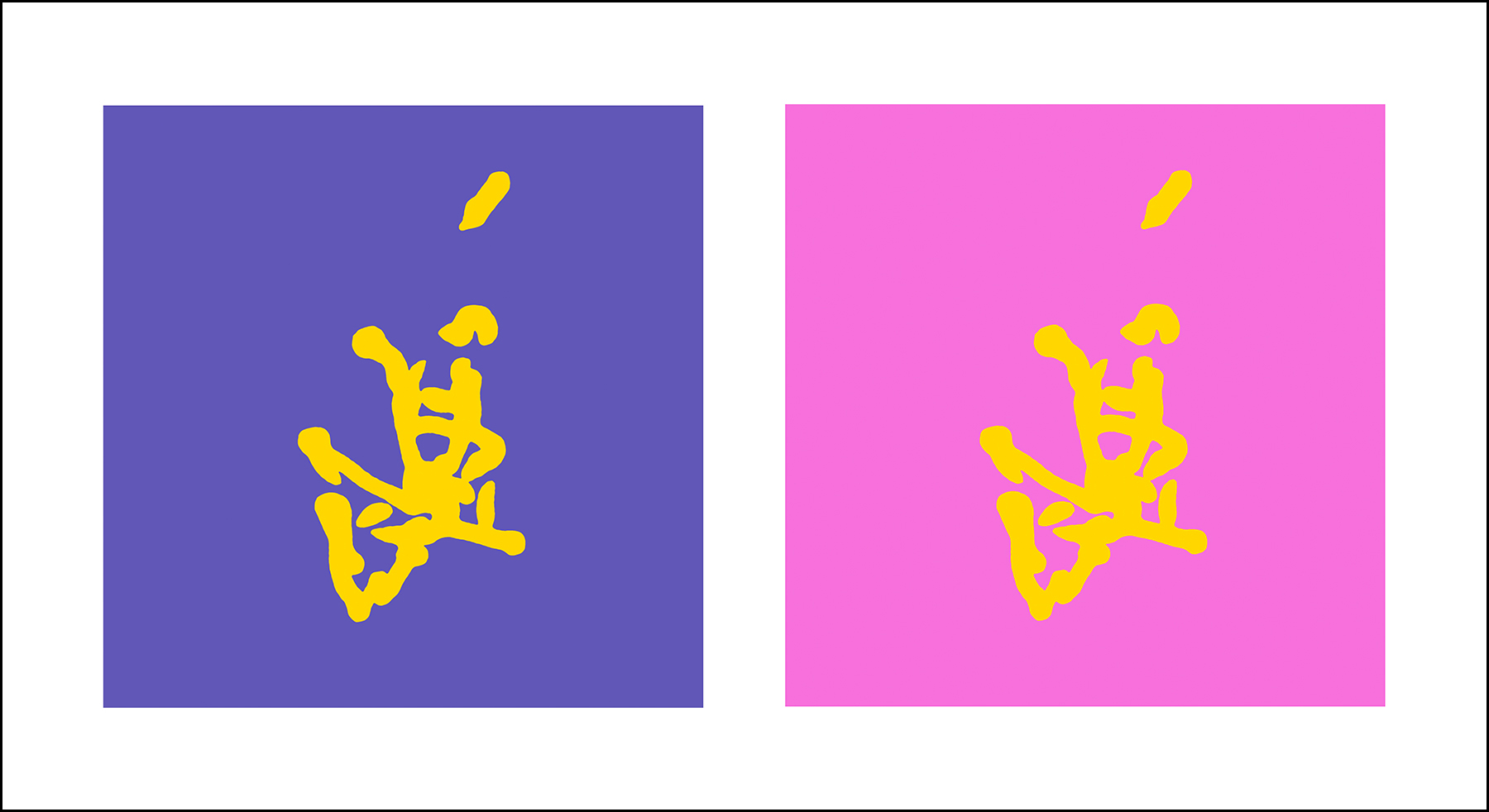
Light Painting: Yellow Figure Pair
Archival Pigment on Hahnemuhle Museum Etching Paper
18" x 33" print size, 24" x 39" framed
Archival Pigment on Hahnemuhle Museum Etching Paper
18" x 33" print size, 24" x 39" framed
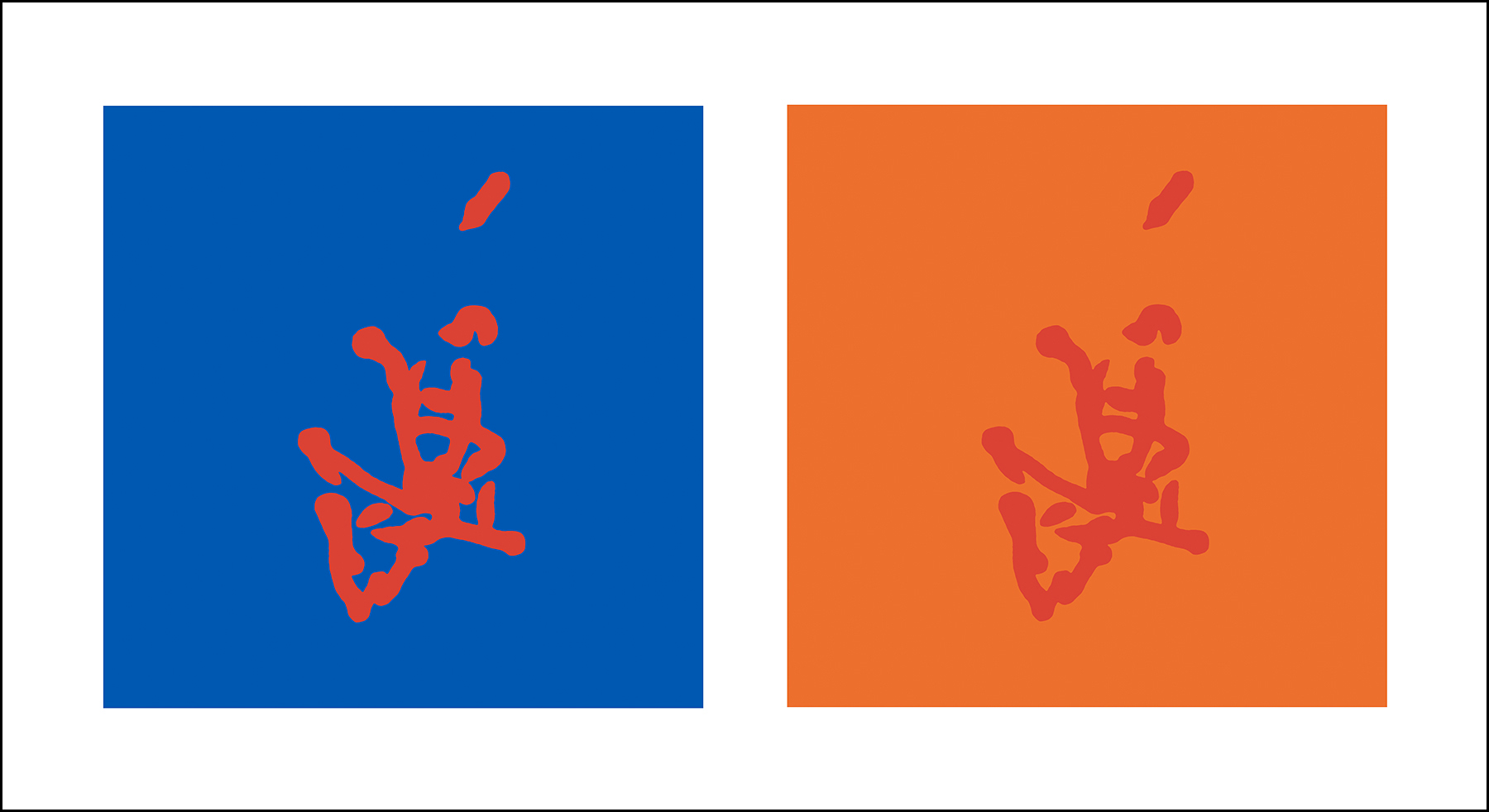
Light Painting: Red Figure Pair
Archival Pigment on Hahnemuhle Museum Etching Paper
18" x 33" print size, 24" x 39" framed
Archival Pigment on Hahnemuhle Museum Etching Paper
18" x 33" print size, 24" x 39" framed
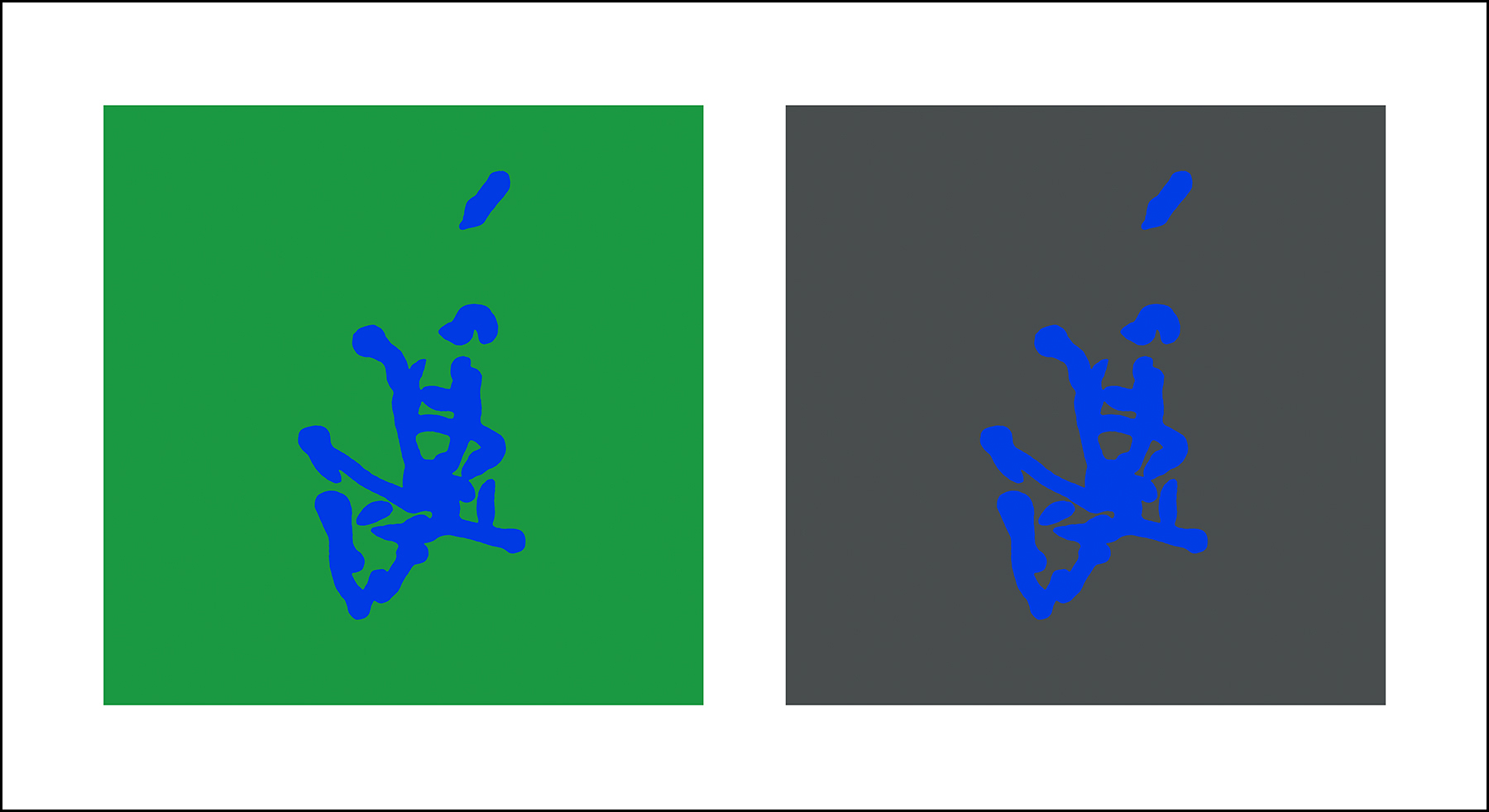
Light Painting: Blue Figure Pair
Archival Pigment on Hahnemuhle Museum Etching Paper
18" x 33" print size, 24" x 39" framed
Archival Pigment on Hahnemuhle Museum Etching Paper
18" x 33" print size, 24" x 39" framed
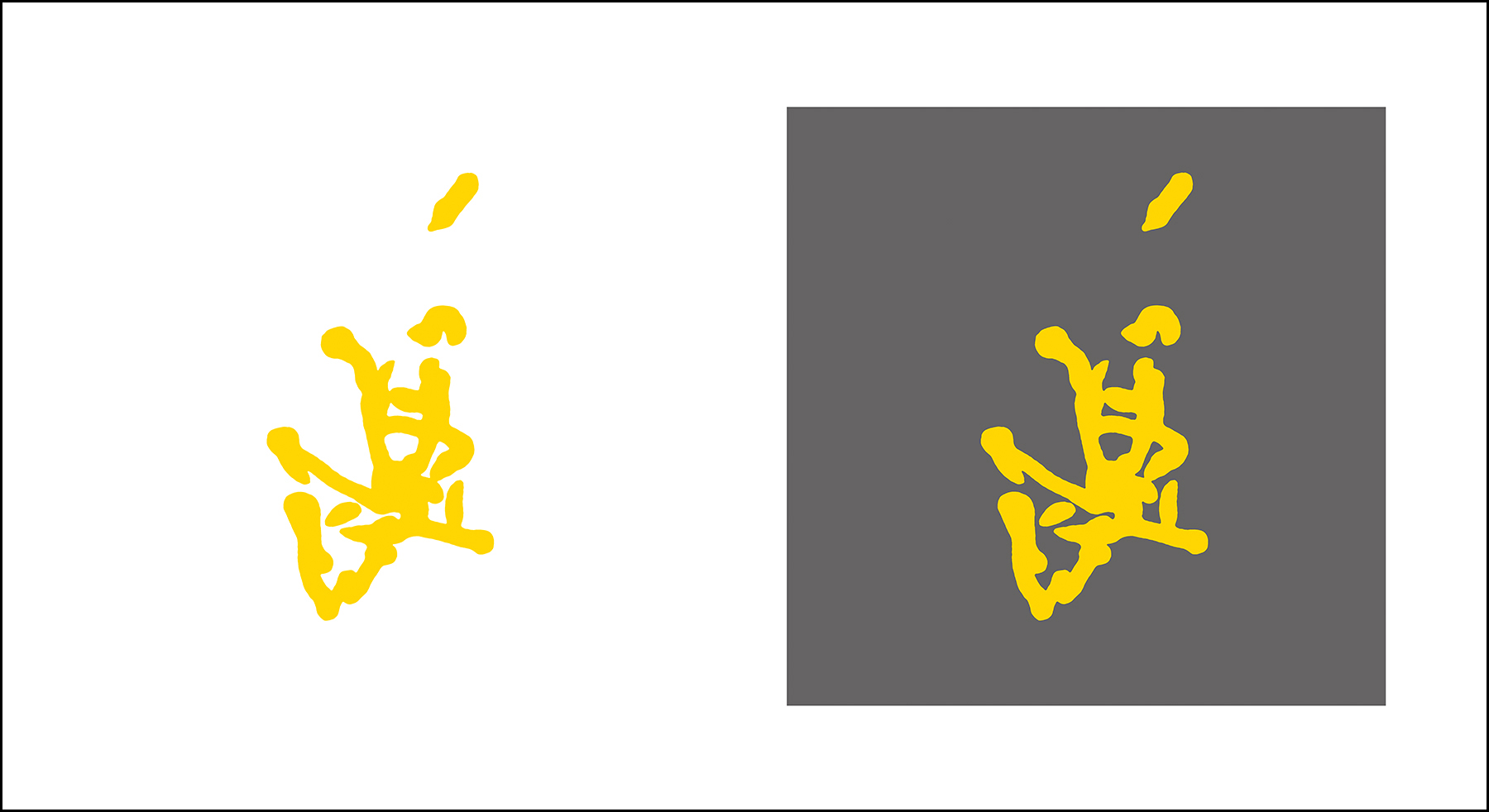
Light Painting: Yellow on Gray and White
Archival Pigment on Hahnemuhle Museum Etching Paper
18" x 33" print size, 24" x 39" framed
Archival Pigment on Hahnemuhle Museum Etching Paper
18" x 33" print size, 24" x 39" framed
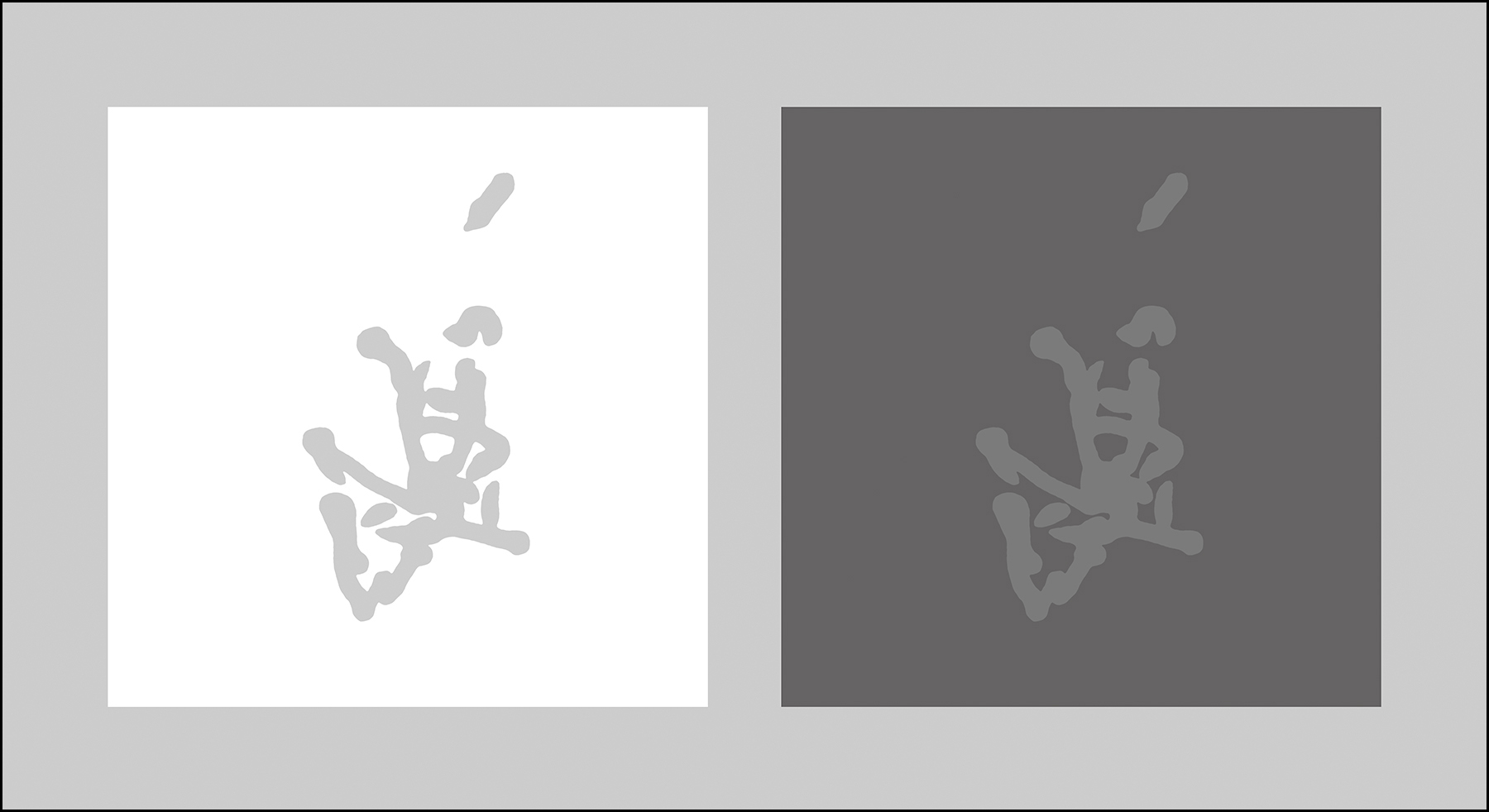
Light Painting: Gray on Gray and White
Archival Pigment on Hahnemuhle Museum Etching Paper
18" x 33" print size, 24" x 39" framed
Archival Pigment on Hahnemuhle Museum Etching Paper
18" x 33" print size, 24" x 39" framed
Light Tubes
These “light tubes” were created by making time exposures of colored light bulbs swinging in a pendulum motion. This four panel piece is the primary work in this series. However, the individual panels may be purchased and framed separately.
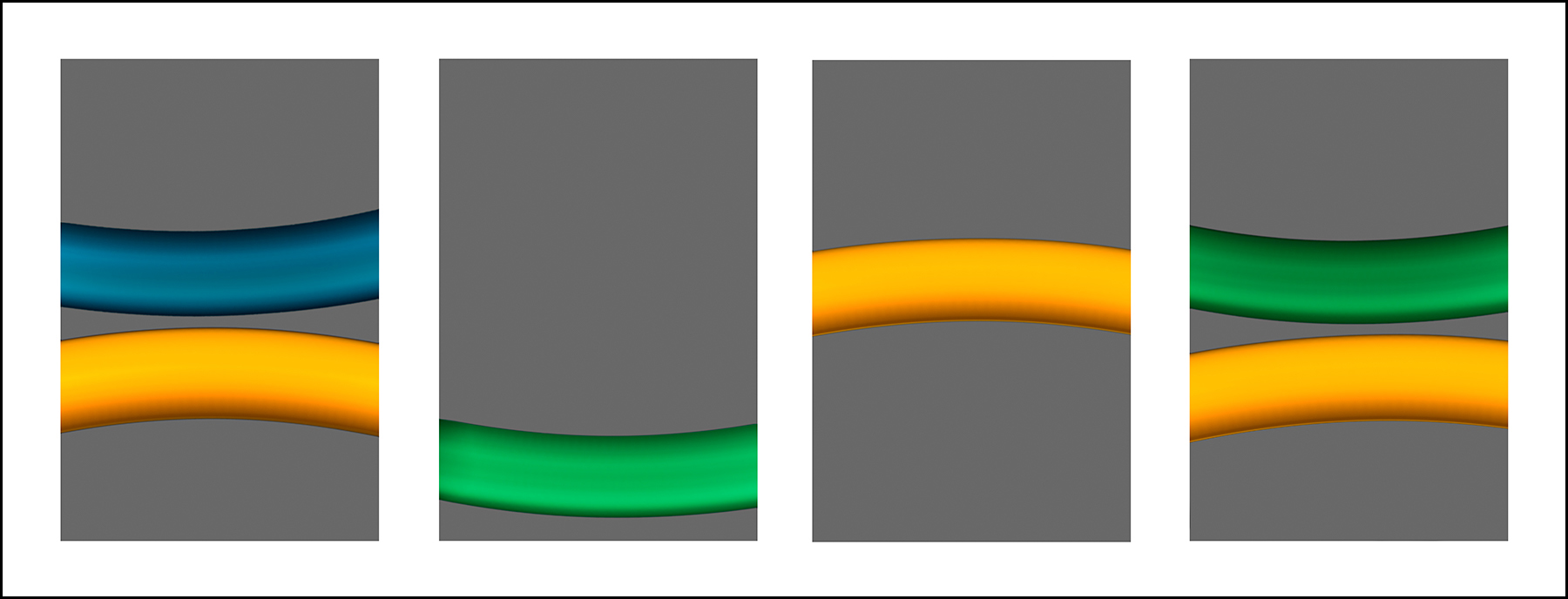
Light Tubes
Archival Pigment on Hahnemuhle Museum Etching Paper
15" x 40" print size, 20" x 45" framed
Archival Pigment on Hahnemuhle Museum Etching Paper
15" x 40" print size, 20" x 45" framed
Shaded Shape and Light Tracings
This piece was also made with a series of long exposures. Each element was shot separately using a moving light source.
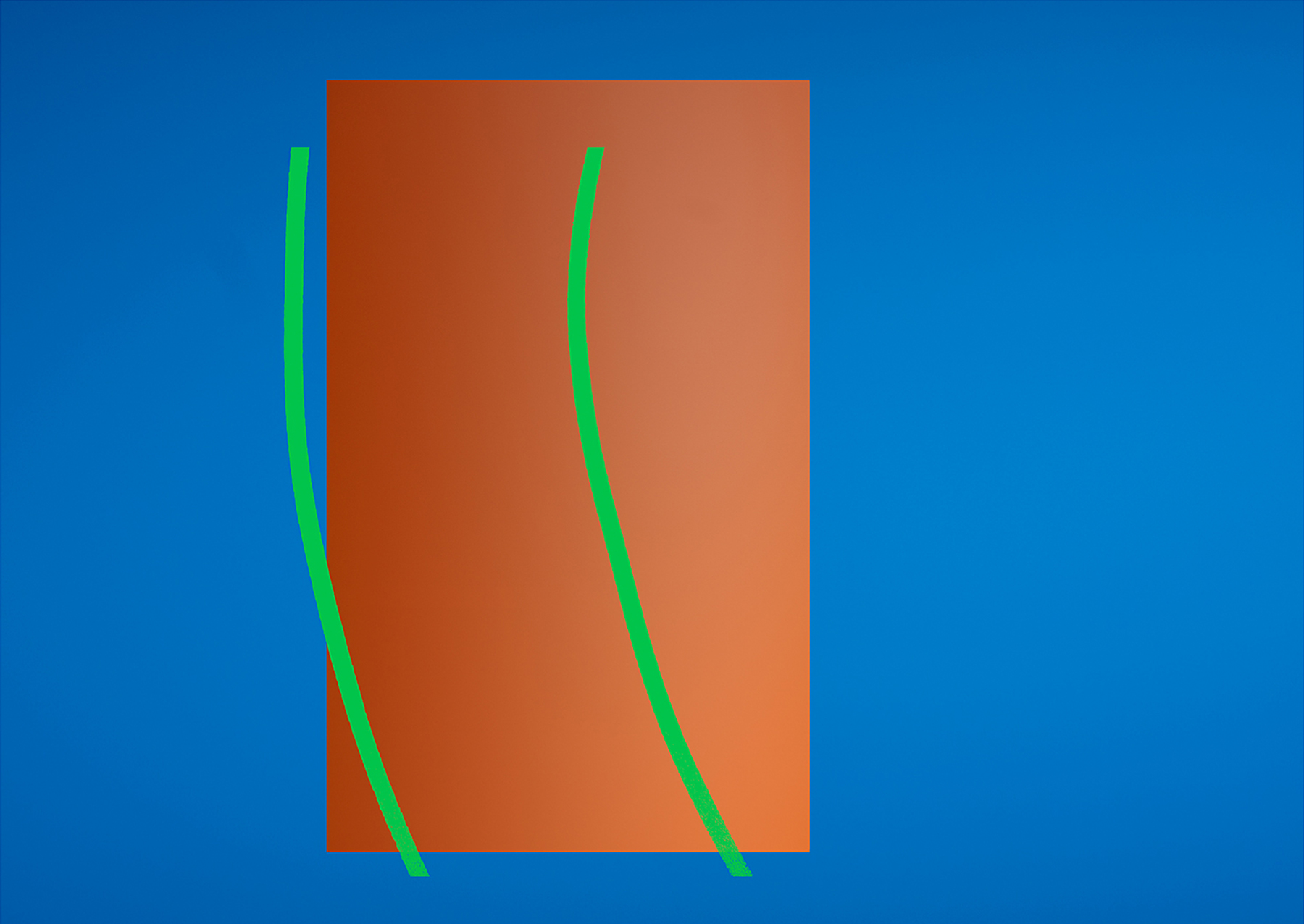
Shaded Shape and Light Tracings
Archival Pigment on Hahnemuhle Museum Etching Paper
19" x 24" print size, 24" x 29" framed
Archival Pigment on Hahnemuhle Museum Etching Paper
19" x 24" print size, 24" x 29" framed
Thread Field Series
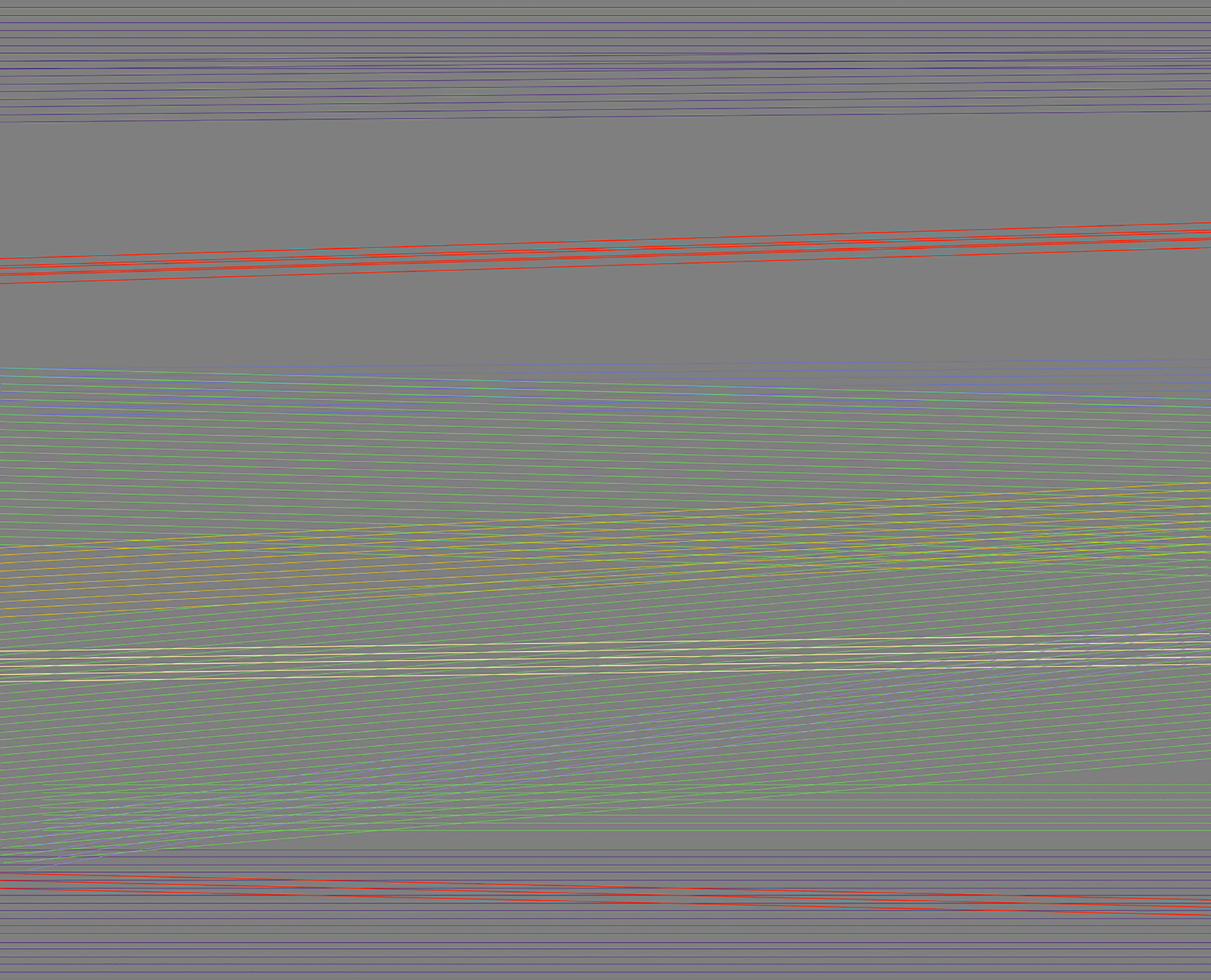
These “thread fields” were originally created as table top constructions strung with actual thread from a sewing supply store at eighth inch intervals in six different colors. In setting them up to photograph, I had trouble getting the lighting even so I decided to recreated them in the computer with four pixel “threads” in the same color sequence. In all three of these studies the thread colors are the same.
So it follows that in the two dual background pieces the thread colors are identical on both sides. The apparent differences are due to the way the eye perceives these threads against the distinct backgrounds. The spaces between the threads in the white piece are just as white as the borders but the eye sees a color wash in those spaces thereby creating the pastel bands that give the picture its general structure.

Thread Field: White
Archival Pigment on Hahnemuhle Museum Etching Paper
25" x 30" print size, 30" x 35" framed
Archival Pigment on Hahnemuhle Museum Etching Paper
25" x 30" print size, 30" x 35" framed
Thread Field: Askew
Archival Pigment on Hahnemuhle Museum Etching Paper
25" x 30" print size, 30" x 35" framed
Archival Pigment on Hahnemuhle Museum Etching Paper
25" x 30" print size, 30" x 35" framed

Thread Field: Green, Blue
Archival Pigment on Hahnemuhle Museum Etching Paper
20" x 40" print size, 25" x 45" framed
Archival Pigment on Hahnemuhle Museum Etching Paper
20" x 40" print size, 25" x 45" framed

Thread Field: Plum, Orange
Archival Pigment on Hahnemuhle Museum Etching Paper
20" x 40" print size, 25" x 45" framed
Archival Pigment on Hahnemuhle Museum Etching Paper
20" x 40" print size, 25" x 45" framed

Thread Field: Yellow, Gray
Archival Pigment on Hahnemuhle Museum Etching Paper
20" x 40" print size, 25" x 45" framed
Archival Pigment on Hahnemuhle Museum Etching Paper
20" x 40" print size, 25" x 45" framed
Not Quite Stripes
To create the piece, I built a table top construction with a clear acrylic top. I drilled rows of holes in the acrylic and suspended wire in the near ground through the holes. Behind that I suspended colored craft thread, experimenting with a progression of colors across the picture plane.
I lit this construction and photographed it against a gray seamless background. In the process I made a number of experiments with depth of field until I got the right balance of in-focus texture with out-of-focus color field.
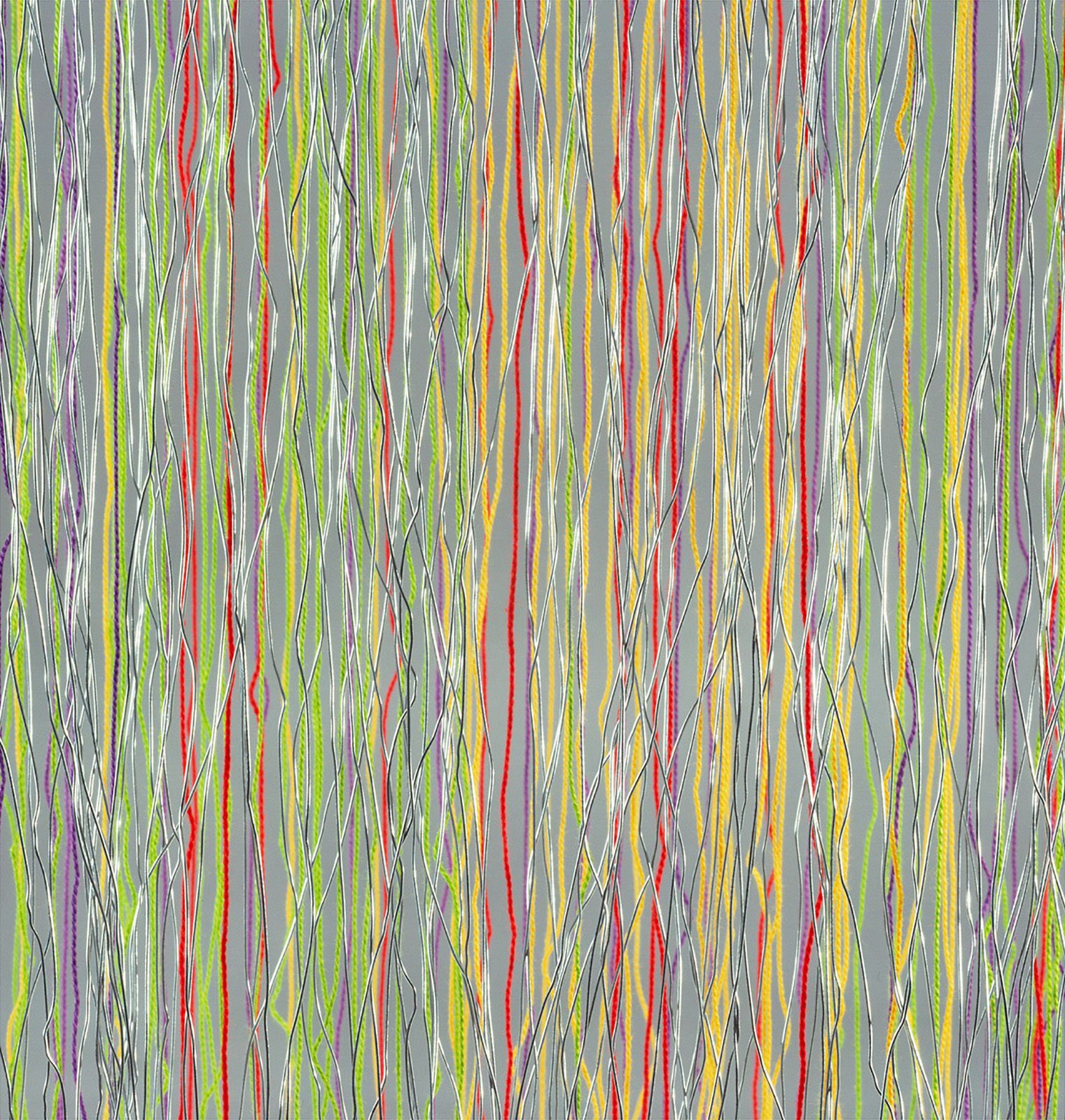
Not Quite Stripes
Archival Pigment on Hahnemuhle Museum Etching Paper
24" x 25" print size, 29" x 30" framed
Archival Pigment on Hahnemuhle Museum Etching Paper
24" x 25" print size, 29" x 30" framed
Light Waves
As with the Light Tubes above, these “light waves” were made by photographing swinging light bulbs—in this case spiral compact fluorescents. This three panel piece is the primary work in this series. However, the three individual panels may be purchased and framed separately.

Light Waves
Archival Pigment on Hahnemuhle Museum Etching Paper
21" x 40" print size, 26" x 45" framed
Archival Pigment on Hahnemuhle Museum Etching Paper
21" x 40" print size, 26" x 45" framed
Three Ways of Looking at Two Chairs
I photographed these red chairs against a black metal wall on the outdoor patio of the Danish Royal Theater in Copenhagen. Later I painted the cracks in the wall and table to create this three panel set of variations. Each panel may be printed, purchased, and framed separately.
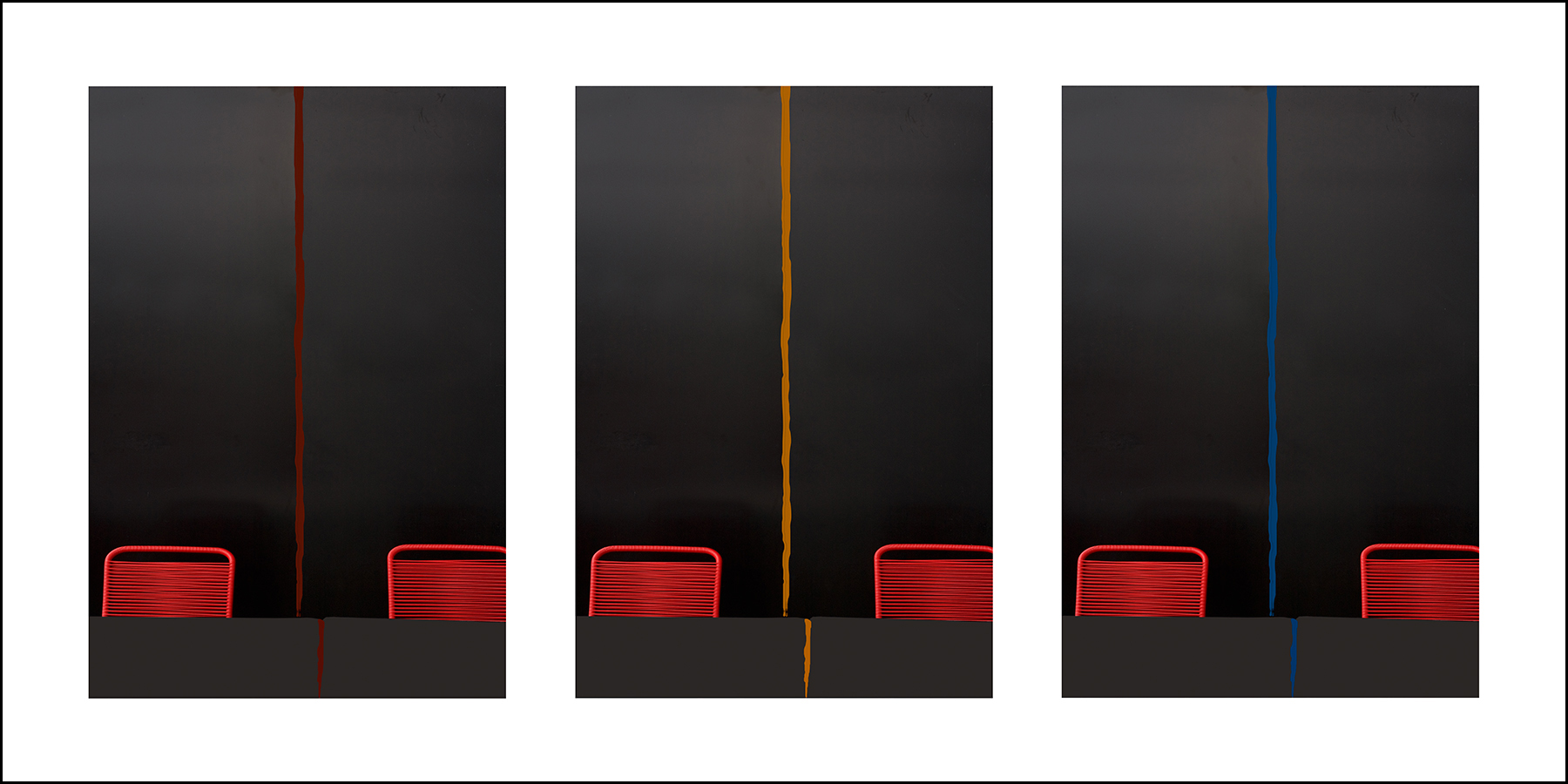
Three Ways of Looking at Two Chairs
Archival Pigment on Hahnemuhle Museum Etching Paper
20" x 40" print size, 25" x 45" framed
Archival Pigment on Hahnemuhle Museum Etching Paper
20" x 40" print size, 25" x 45" framed
Spheres Floating in a White Space
In a departure from the previous posts, I am going to refrain from spelling out just how these ethereal floating spheres were photographed. I’ll leave that to the imagination.
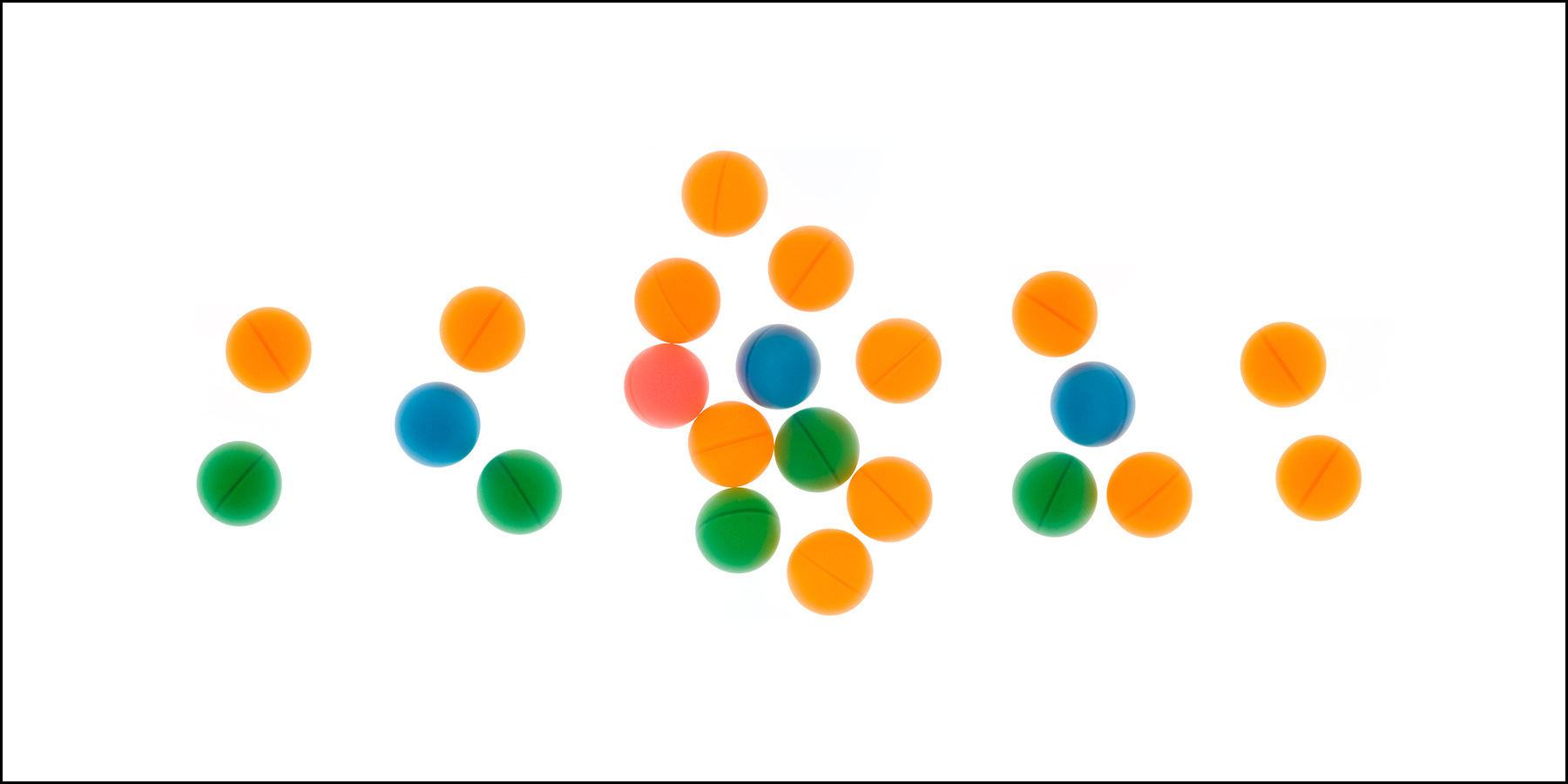
Spheres Floating in a White Space
Archival Pigment on Hahnemuhle Museum Etching Paper
20" x 40" print size, 25" x 45" framed
Archival Pigment on Hahnemuhle Museum Etching Paper
20" x 40" print size, 25" x 45" framed
Three Ways of Looking at Two Shapes
These three variations on the two central forms were made by photographing a table top construction lit with colored gels. As with many of the other series, the individual elements of the large three panel piece may be purchased and framed separately.

Two Shapes with Shadows
Archival Pigment on Hahnemuhle Museum Etching Paper
16" x 20" print size, 21" x 25" framed
Archival Pigment on Hahnemuhle Museum Etching Paper
16" x 20" print size, 21" x 25" framed

Three Ways of Looking at Two Shapes
Archival Pigment on Hahnemuhle Museum Etching Paper
12" x 40" print size, 17" x 45" framed
Archival Pigment on Hahnemuhle Museum Etching Paper
12" x 40" print size, 17" x 45" framed